




FERC stands for the Federal Energy Regulatory Commission, an independent agency that regulates the interstate transmission of electricity, natural gas, and oil. In addition, FERC oversees proposed for the construction of liquified natural gas terminals and interstate natural gas pipelines as well as licensing hydropower projects.
Decades of Experience Supporting FERC-Regulated Pipelines
Navigating the complex landscape of FERC’s regulations and application process is essential to advance FERC-regulated energy projects. Over our company history, TRC has supported the successful permitting of over 15,000 miles of pipeline, including FERC regulated projects. Clients value how we’ve supported end-to-end engineering and construction management of over 130,000 miles of pipeline from feasibility through commissioning/start-up, right-of-way (ROW), routing, siting, survey, and geotechnical.
At TRC, we combine decades of expertise, innovative regulatory strategies, and trusted relationships with federal, state, and local agencies to maintain schedules, permit applications, and project continuity throughout a project’s lifecycle. In addition, we know FERC regulators, which provides efficient and effective communication and streamlined information exchange.

FERC Consulting Adapted to Your Needs
At TRC, we prioritize helping you navigate FERC regulations while optimizing your experience to ensure compliance and project success. When you choose TRC, you gain a team of tested practitioners with the skills, resources, and agility necessary to support any phase of your project. We work within your schedule and budget to support your project and help you implement practical and strategic solutions.
TRC develops practical regulatory strategies tailored to your project and works closely with all project stakeholders to keep everyone informed and aligned. We support your project through every stage from early project development through the FERC application process and into the construction.

Industry-Leading Expertise to Navigate FERC Regulations and Maintain Compliance
Our integrated approach from survey, data collection, site development, and right-of-way to project design, permitting, and inspection, all while navigating FERC’s environmental regulations makes sure you effectively meet compliance obligations well before the key project milestones. Our expertise in FERC’s environmental regulations, combined with seamless coordination across federal and state agencies, minimizes duplication and streamlines concurrent permitting processes.
We provide clients with innovative, yet pragmatic strategies, tools and information needed to achieve compliance during every stage of the FERC process, including pre-filing, application and post-filing stages. We support FERC applications for:
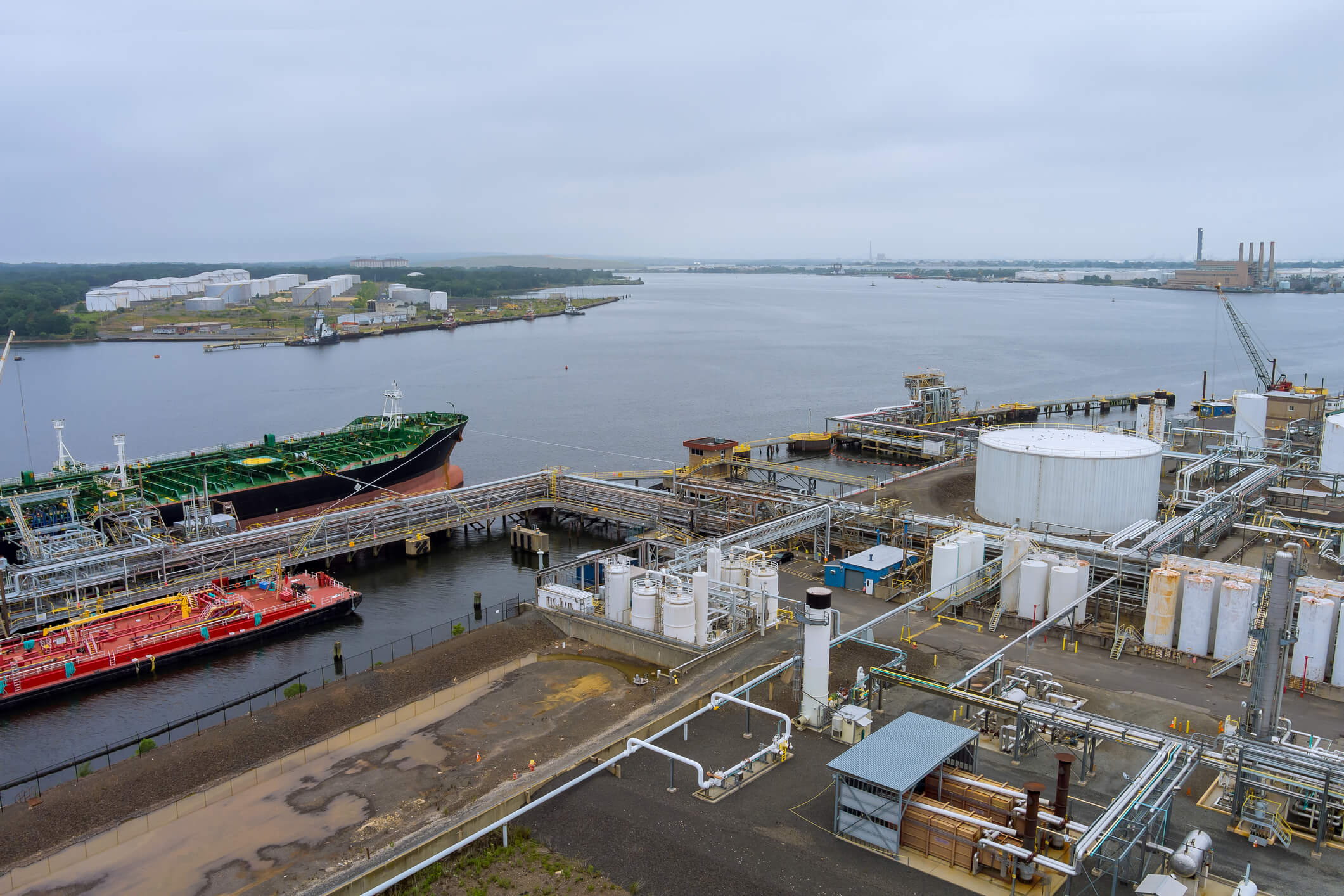
- Construction, operation and abandonment of natural gas transmission and storage facilities.
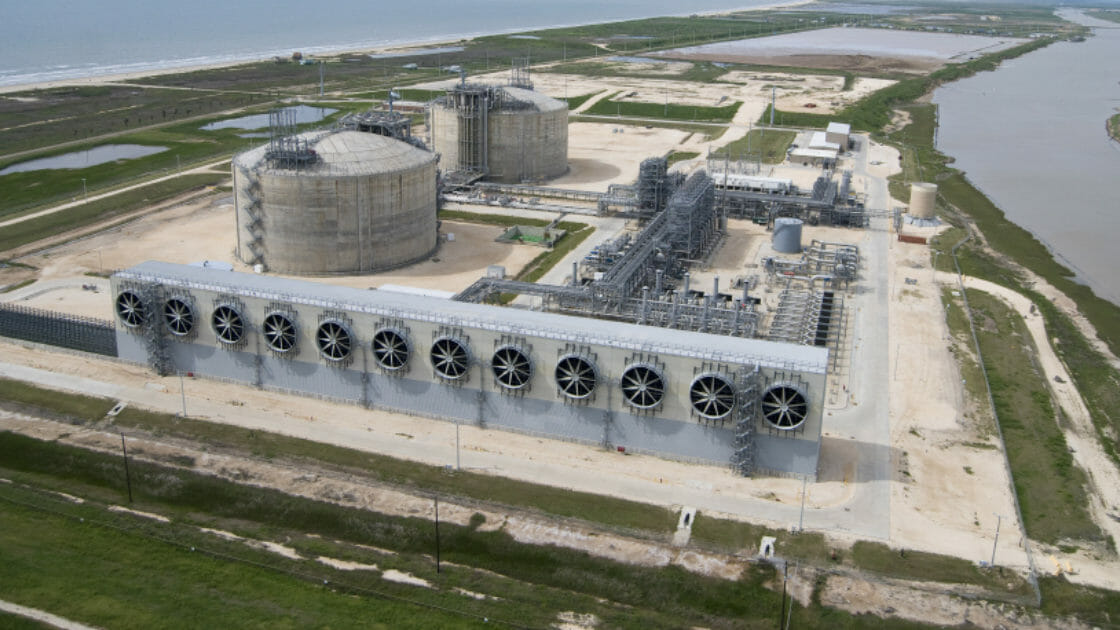
- Construction and operation of liquified natural gas facilities.
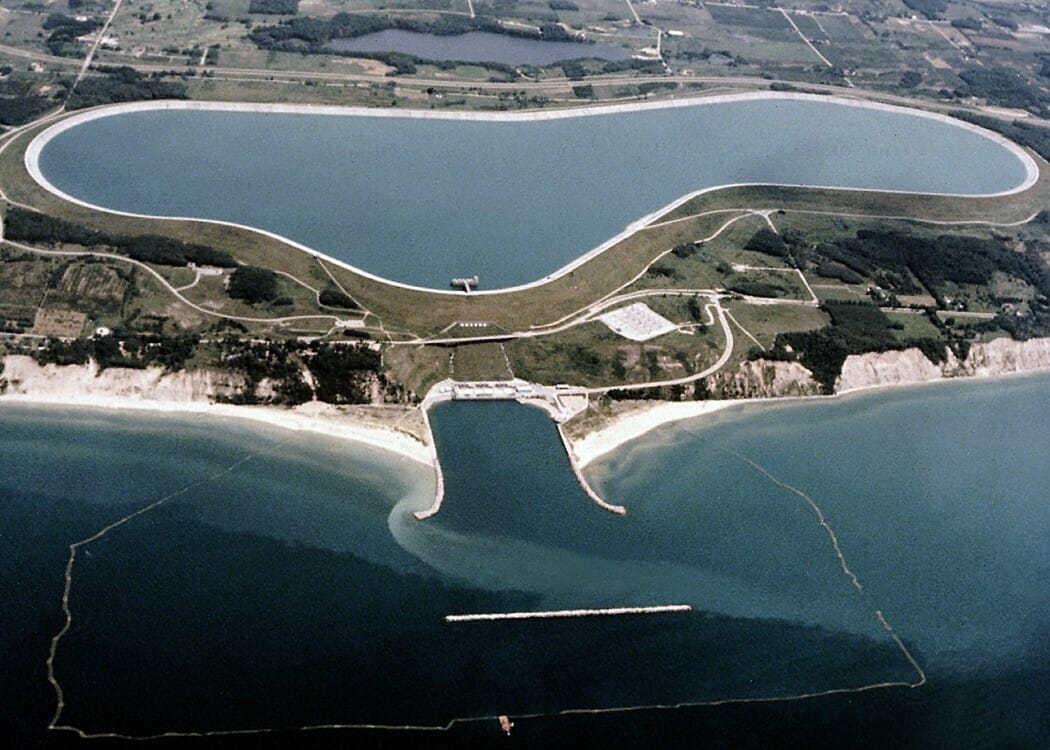
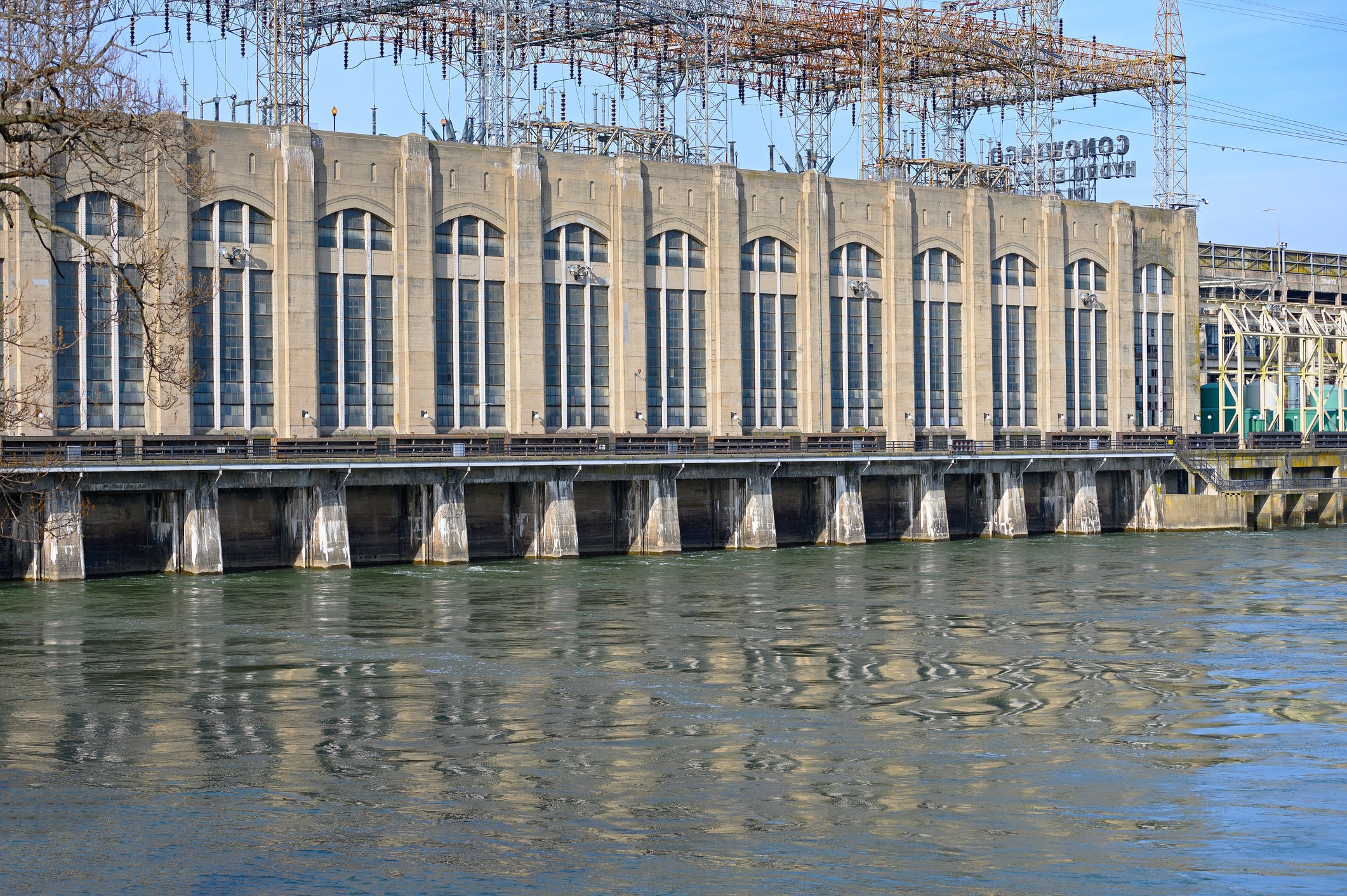
- Construction and operation of non-Federal hydropower facilities and associated transmission lines.
Our practitioners include former regulators who have invaluable insight into working with federal and state agencies and who are deeply familiar with the details of applicable statutes, guidelines and permitting requirements.
Contact TRC to Manage Your FERC Compliance Obligations Today
TRC is dedicated to ensuring your FERC-regulated projects remain safe, sustainable, resilient and compliant with applicable regulations. Our FERC consulting services provide you with a clear understanding of essential regulations and demonstrate how those requirements integrate with your project’s objectives. Then, we use our expertise to construct a tailored approach that incorporates innovative regulatory strategies to meet your project’s goals.
Partner with TRC for decades of experience and proven FERC compliance expertise. Contact us to learn how we can support your project.

Frequently Asked Questions
Check out our FAQs to learn more about FERC compliance and how TRC can help you.
TRC’s experience with FERC regulations goes back more than 40 years, having permitted over 15,000 miles of pipeline projects, including FERC-regulated projects. TRC works with FERC staff from both applicant and third-party perspectives.
As the country develops more renewable energy projects, it may be necessary for independent power producers and renewable developers to officially get registered as a Generator Owner-IBR (GO-IBR) and/or Generator Operator-IBR (GOP-IBR). TRC would be able to help you determine if it is necessary to get registered as a GO-IBR or GOP-IBR at the applicable Regional Entity (RE).


Sharing Our Perspectives
Our practitioners share their insights and perspectives on the trends and challenges shaping the market.

Regulatory Updates
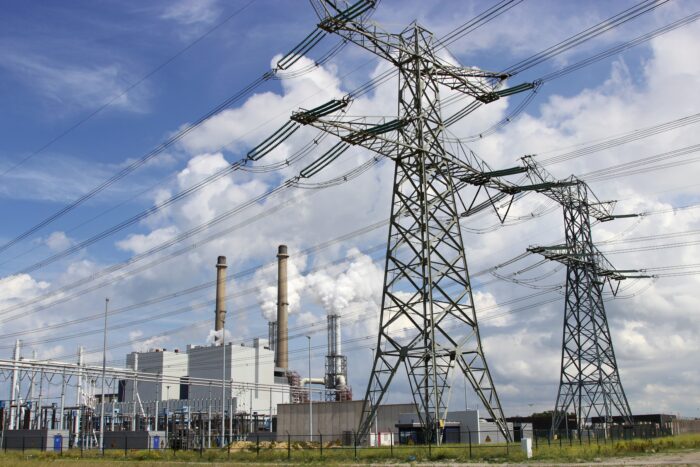
NERC’s Steps Toward Regulating Large Loads
September 4, 2026
NERC is proposing registration rules and new reliability standards for large computational loads. Here’s what utilities need to know now.
Regulatory Updates
FERC and NERC Move Quickly on Large Load Rules
July 7, 2026
FERC and NERC are moving fast on large load rules for data centers and crypto mining. Here’s what utilities need to know and how TRC can help.

Regulatory Updates
FERC Issues Decision on Co-Location of Large Loads
February 17, 2026
The Federal Energy Regulatory Commission (FERC) has issued an order directing PJM to reform its Open Access Transmission Tariff (OATT) rules for generators co-located with large loads such as data centers. Learn more.


Regulatory Updates
Cybersecurity Threats Lead NERC to Modify CIP Standards
March 11, 2025
Cybersecurity threats to the Bulk Electric System (BES) are escalating, with attackers continuously evolving their tactics to target critical infrastructure.

Regulatory Updates
FERC Issues Guidance to Improve Power System Security and CIP Compliance
September 30, 2024
This update provides details from FERC 2024 staff report from CIP audits, so utilities can improve compliance and reduce security risks.

Regulatory Updates
Prevent NERC Compliance Failures with Readiness Reviews
February 20, 2024
Every NERC-registered utility must strive for continuous compliance with their portfolio of applicable NERC Reliability Standards
Regulatory Updates
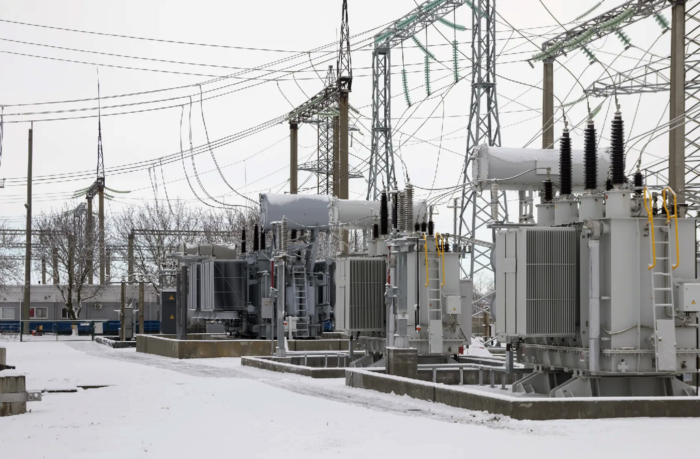
NERC & FERC Release Winter Storm Elliott Report
January 2, 2024
NERC and FERC have released their final report on Winter Storm Elliott which provides reinforcement for recommendations in prior cold weather-related disturbance event reports. The Report identifies critical reliability performance shortcomings and the reliability related near misses. NERC states that a crisis was “narrowly dodged.” The Report outlines the steps the industry must take to avoid a repeat in the future.

Regulatory Updates
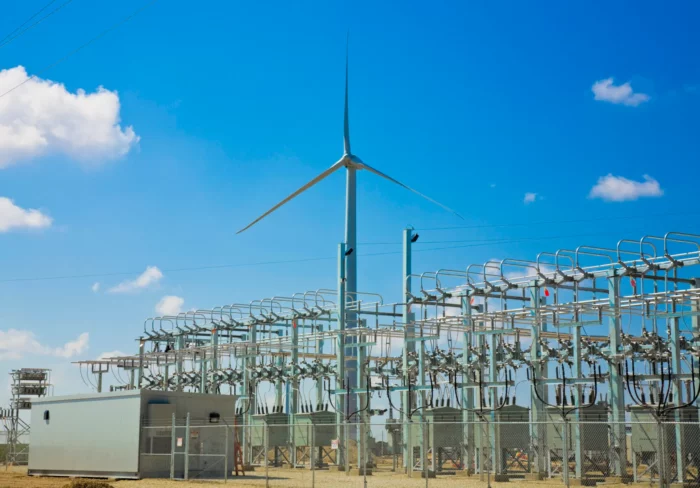
FERC Order 901 Calls for Standards to Address IBR Reliability Gaps
November 27, 2023
Inverter Based Resources are playing central role when it comes to adding new electric generation capacity into the bulk power system.
Regulatory Updates
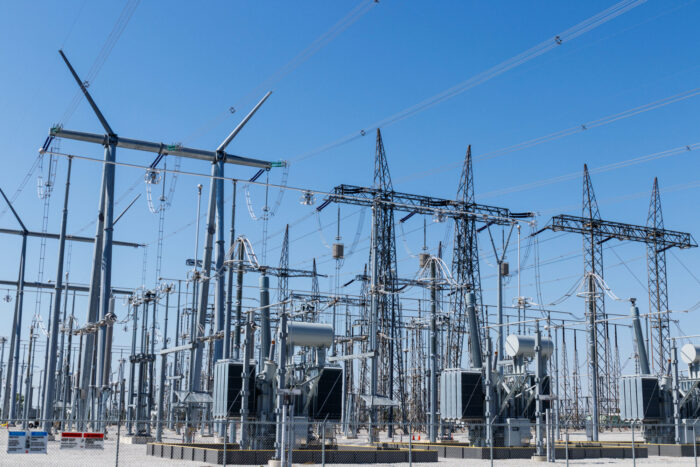
FERC Issues Order 2023 to Resolve Interconnection Process Issues
September 25, 2023
The Federal Energy Regulatory Commission has approved Order 2023 to facilitate and improve the speed and reliability of adding new energy resources to the power system
Regulatory Updates
FERC Hosts Technical Conference on the Effectiveness and Improvements to CIP-014-3
August 30, 2023
Expert Discussions and Key Takeaways Focus on Physical Security
Regulatory Updates
FERC Extreme Weather Initiative Will Change the Transmission Planning Process
July 26, 2023
FERC issued a Final Rule directing NERC to develop a new or modified reliability standard addressing transmission system planning performance requirements for extreme heat or cold weather events.
Regulatory Updates
FERC Approves Plan to Register Certain Inverter-Based Resources as part of NERC Mandatory Standards Compliance Program
June 21, 2023
FERC issued an order approving NERC’s compliance filings.
Regulatory Updates
NERC Files Report on Effectiveness on CIP-014 Physical Security Standard
May 25, 2023
On behalf of the North American Electric Reliability Corporation (NERC), its President and CEO Jim Robb, recently presented to the Federal Energy Regulatory Commission (FERC) a summary of NERC’s report on the effectiveness of NERC’s CIP-014 Physical Security Standard. There were almost 1,700 physical security incidents reported to the Electricity-Information Security Analysis Center (E-ISAC) in 2022, an increase of 10.5% from 2021.
Regulatory Updates
FERC Issues Order on Cold Weather Reliability Standards
April 27, 2023
FERC has approved two NERC proposed cold weather-related reliability standards.
Regulatory Updates
FERC Orders Internal Network Security Monitoring Rule to be Finalized
March 14, 2023
FERC directed NERC to develop Reliability Standards to implement INSM within trusted CIP environments.

Regulatory Updates
NERC Files Comments in the FERC Generator Interconnection Notice of Proposed Rulemaking
November 21, 2022
The rulemaking addresses improvements needed to reliably facilitate the power industry’s transition to renewable and distributed generating resources utilizing inverter-based technologies.

Regulatory Updates
Revisions to FAC-001 and FAC-002 Submitted for FERC Approval
July 12, 2022
Reliability Standards FAC-001-4 and FAC-002-will resolve uncertainty regarding the meaning of “materially modify” under the currently effective standards.

Regulatory Updates
FERC Order No. 881-A Has Implications for NERC Compliance Programs
June 23, 2022
Updated Order will have significant impact on NERC compliance programs related to both PRC standards and facilities ratings. Utilities should review the Order’s requirements and prepare for changes needed to remain compliant.
Regulatory Updates
NERC’s Revised PRC-024-3 Standard for Inverter-Based Generation Effective in October 2022
May 11, 2022
Changes to PRC-024-3 in support of inverter-based generation performance are going into effect in October of this year. Interconnection programs and documentation procedures may need to be updated in order to maintain compliance.
Regulatory Updates
FERC Issues Notice of Inquiry Regarding Dynamic Line Ratings
April 25, 2022
There are significant technical challenges involved in implementing Dynamic Line Ratings in the planning and operation of utility systems. Utilities should be prepared to modify their NERC compliance programs as necessary to address the potential introduction of DLR in their businesses.
Regulatory Updates
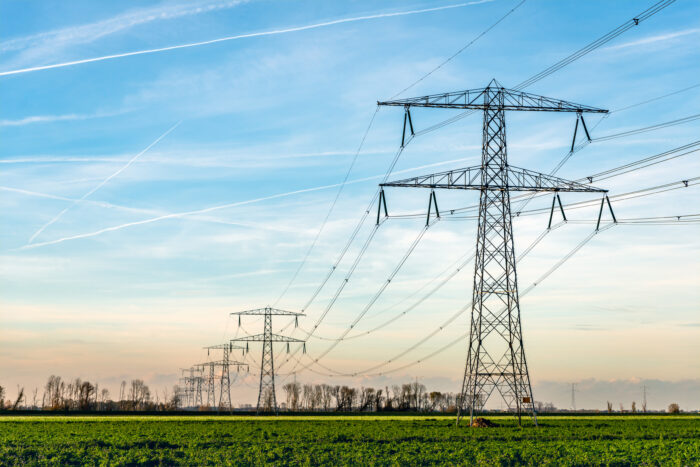
NERC Recommends Approaches for Underfrequency Load Shedding Programs
February 24, 2022
In a recently released reliability guideline, NERC recommends additional approaches for Underfrequency Load Shedding (UFLS) program design to help utilities effectively consider the effects of Distributed Energy Resources (DERs). The guidance was developed to address the accelerated transition of the power system to locally installed, decarbonized resources that depend on inverters. These new technologies introduce operational controls issues into the electric grid. UFLS data gathering and analysis methodologies may require modification to address reliability risks.

Regulatory Updates
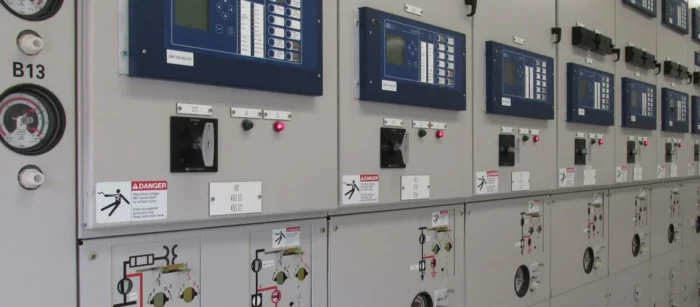
NERC and FERC Recommend Protection System Commissioning Improvements
January 18, 2022
Between 18 and 36 percent of reported utility misoperations were attributed to issues that could have been detected through a properly implemented PSC.
Regulatory Updates
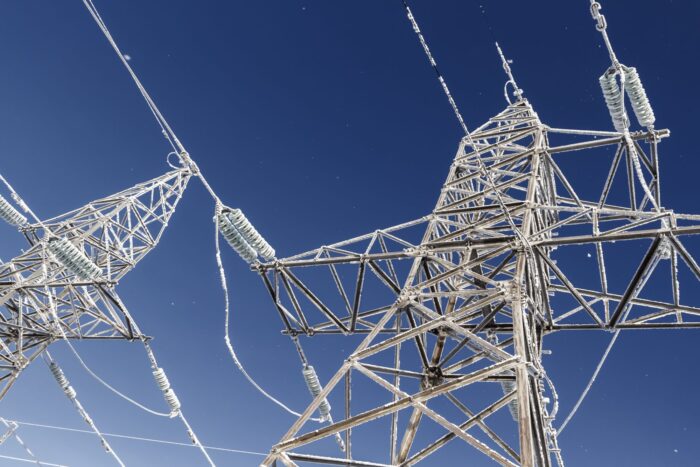
FERC & NERC Issue Joint Report on Freeze Reliability Failures
December 15, 2021
The in-depth report outlines twenty-eight recommendations to address freeze reliability failures, including operating practices and recommendations for NERC standards modifications surrounding generator winterization and gas-electric coordination.
Regulatory Updates
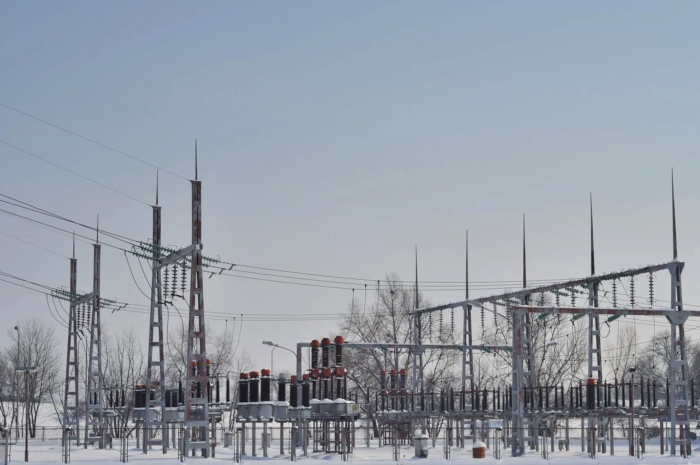
NERC Accelerates Additional Cold Weather Standards Changes
November 22, 2021
At its November 2021 meeting, NERC’s Board of Trustees took aggressive action to advance critical cold weather Reliability Standards. Most notably, the group approved the 2022-2024 Reliability Standards Development Plan, which prioritizes standards projects for the coming years including a resolution to include new cold weather operations, preparedness and coordination standards as high priority development projects.
PRC-002-2 Disturbance Monitoring and Reporting Standard: Initial Mandatory Implementation Plan Dates Approach
November 18, 2021
The Federal Energy Regulatory Commission approved PRC-002-2 in September, 2015. The initial due date for system studies necessary to identify locations for the collection of disturbance related data under Requirement R1 is January 1, 2017.


Regulatory Updates
New Potential Compliance Standards Identified at FERC Technical Conference on Reliability
October 18, 2021
With a focus on the reliability impact of extreme weather and the shortcomings of current system planning approaches, both NERC and FERC conference participants opened the door to potential forthcoming compliance standard enhancements or changes.
Regulatory Updates
FERC Approves Modifications to NERC’s Cold Weather-Related Standards
September 7, 2021
The Federal Energy Regulatory Commission has approved changes to three mandatory NERC Reliability Standards that aim to better prepare the North American power system to withstand extreme cold weather events.
Regulatory Updates
NERC’s FAC-008 Guidance on Facility Ratings
May 24, 2021
FAC-008 is one of the most data-intensive standards in the NERC regulatory framework. Compliance has been difficult for many utilities. Recently, FERC made public it’s intent to address serious allegations of facility ratings violations, including a lack of rigor by one utility.

Regulatory Updates
NERC and FERC Take Action on Facilities Ratings
December 4, 2020
There has been significant work across the electric industry to improve facility ratings related processes, programs, frameworks, internal controls and best practices. Yet this continues to be a challenging area for utilities, particularly from an asset management and regulatory compliance perspective.
Regulatory Updates
FERC Issues Annual Report on Critical Infrastructure Protection (CIP) Reliability Audits
November 17, 2020
In its 2020 Report on CIP Reliability Audits, the Federal Energy Regulatory Commission found that most of the cybersecurity protection processes and procedures adopted by utilities met the mandatory CIP requirements for protecting the Bulk Electric System. However, there are areas for improvement.

Videos
INGAA Foundation Interview with Lauren O’Donnell
June 22, 2020
TRC’s own Lauren O’Donnell is currently the elected Chair of the INGAA Foundation. The Foundation’s primary activity is to sponsor research aimed at promoting natural gas use and safe, efficient pipeline construction and operation.
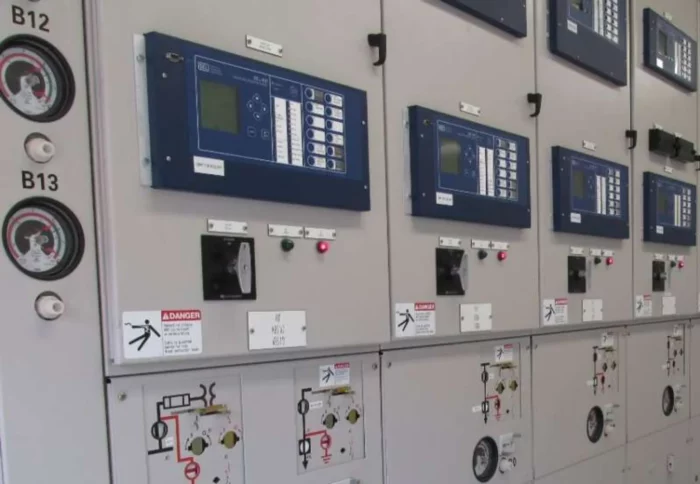
Regulatory Updates
NERC Addresses Single Points of Failure in Protection Systems Among Other FERC Concerns
October 25, 2018
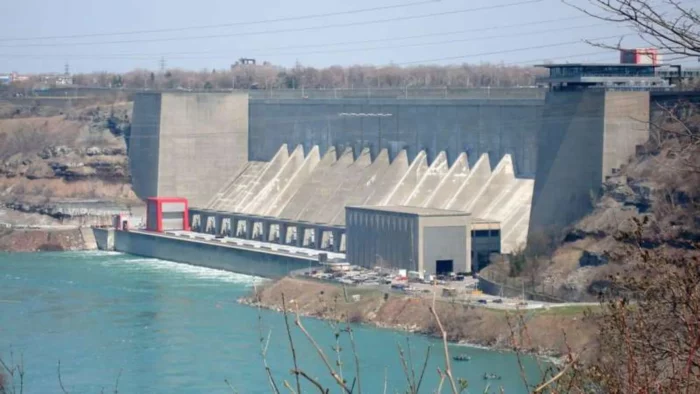
Insights
Seeking a new FERC license for your hydroelectric project? Here are the 2 key questions to ask.
March 22, 2017
Across the U.S., Department of Energy data show that some 2,200 hydroelectric projects produce more than 6 percent of all the electricity we consume, which amounts to more than one-third of all power generated in 2015 from renewable sources. Operations of many existing hydroelectric projects are governed by 30- to 50-year licenses issued by the…