




 DER distributed-energy-resource-strategy-development




















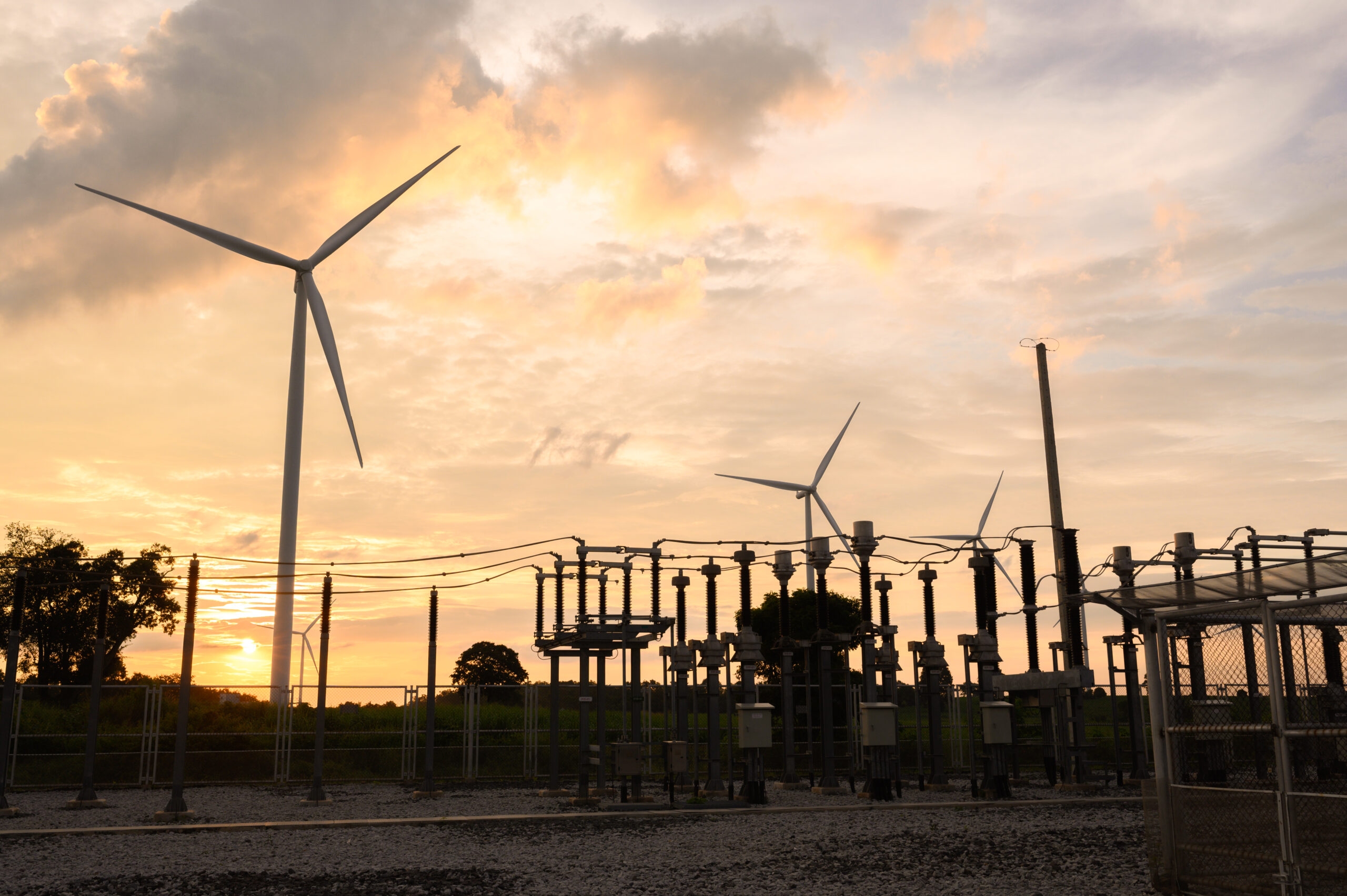
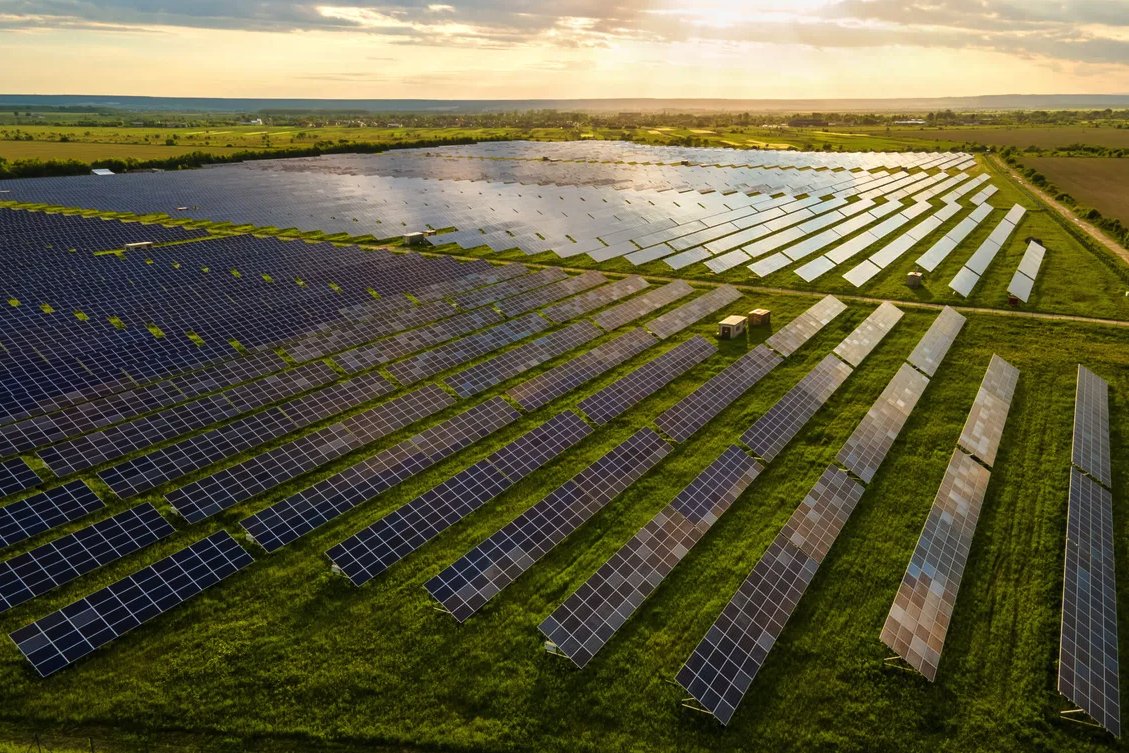
Distributed energy resources enable the usage of renewable energy like solar and wind. By using these renewable resources, communities can reduce reliance on power from the grid, which sometimes comes from fossil fuels. DERs also enable a more dynamic power system, reducing the strain on grid power, especially during peak usage.
Dynamic Solutions for Evolving Utilities
Navigating DER strategy from planning to deployment.
Across the grid, there are both physical and virtual integrations that allow utilities to expand their capabilities through distributed energy resources (DERs). The falling cost and increasing spread of DERs, such as renewable energy, storage systems and virtual resources, creates opportunities for utilities to rethink their approach to traditional grid operations. But as utilities look to capitalize on the benefits of DERs, they must also understand the challenges including:
- Added complexities to integration and control on the existing distribution network.
- Incorporating DERs into grid planning and managing them efficiently in real time
- Technological advances, regulatory pressures, and changing consumer behaviors driving continual change.
It is important for utilities to turn to experts who understand the utility industry and the evolving technologies that can solve the business challenges DERs present to the electric utility industry. TRC’s experts are here to guide utilities through the various challenges of the DER integration process.
Implementing DERMS: A Practical 3-Part Series

Insights
DERMS Part I: How DERMS Delivers Modern Utility Management
As utilities adapt to decentralized grids and rising DER adoption, DERMS offers real-time visibility, control, and optimization. Learn how TRC helps utilities implement DERMS solutions to enhance reliability, reduce costs, and meet sustainability goals.

Insights
DERMS Part II: Take the Right Approach to Implementing DERMS
Implementing DERMS can come with challenges. By understanding the unique challenges related to DERMS and adopting the appropriate strategies to mitigate potential pitfalls, utilities can effectively integrate and coordinate DER deployment to align with regulatory commitments and broader business objectives.

Streamline Technology Adoption With Distributed Energy Resources Consulting
Whether undertaking projects to boost resiliency in the wake of natural disasters or streamlining data to manage DERs connecting to the grid, practitioners plan and implement distributed energy resources integration strategies that bridge the gap between your current capabilities and future goals.
Adopting innovative energy technologies such as distributed energy resources has numerous benefits for everyone involved. However, like all innovations, the process involves some challenges. Partnering with experts who understand the rapidly evolving industry can help solve common challenges that come with innovation.
Related Materials
 DER distributed-energy-resource-strategy-development
Publié février 22, 2021
Seamlessly Integrated DER Consulting Solutions
DER Strategy, Roadmap and Business Case Development
In order to create a DER framework, strategy and roadmap, TRC’s multistep approach includes a rapid current state assessment, an evaluation of the organization’s requirements, a gap assessment and a fully developed business case with assessed cost. This detailed plan supports informed decision-making regarding DER investment and use. We can also determine a timeline for implementing DERs.
Use Case Development
TRC’s team of experts uses a collaborative approach with clients to determine specific use cases that will lend to the development of the DER strategy. We analyze each use case and identify opportunities related to the utility’s current initiatives and overall goals.
Solution Requirements Gathering and Design
TRC facilitates workshops with business leaders to identify specific requirements. The requirements for these projects can include process mapping, solution design and blueprinting and guarantee traceability throughout the implementation of the solution.
Technology Procurement
RC works seamlessly with client stakeholders, including supply chain, to assist in all phases of the procurement process. This assistance includes gathering documentation, creation for the request for proposal or information, vendor demonstrations and contract negotiations.
Solution Integration Service
After the vendor selection process, TRC’s experts provide system integration services. These services include planning and program setup through post-production support.
Embrassez le changement
Collaborez avec les praticiens testés de TRC
Frequently Asked Questions
Implementing DERs can come with many questions — here are some answers from our experts.
A gap assessment is an essential part of DER strategy development. This process enables utilities to examine their current landscape and point out areas that require advancement to develop DERs. The gap assessment process includes various steps:
- Defining the scope of the project
- Establishing a list of goals to provide a benchmark
- Analyzing the current state of the utility
- Identifying and ranking gaps according to their impact, urgency and feasibility
- Creating a detailed plan of action for closing the gap
DERs require the implementation of new technologies into traditional systems, which involves some expenses. While the initial infrastructure upgrade may be costly, DER technologies can also provide long-term savings through reduced peak demand and improvements in energy efficiency.
Achieve Your DER Vision With TRC
TRC’s knowledge of the utility industry and technology and integration experience helps utilities bridge the gap between current capabilities and future goals through the development of a strategic DER and integration framework. Our process is designed to include a clear definition and assessment of associated business cases, evaluation of the technology landscape and procurement process, and management of implementation and integration of DER solutions.
We can simplify the planning, integration and management of DERs to build safe, reliable and resilient power systems that meet regulatory standards. Contact us to get started.

Partager nos perspectives
Nos praticiens partagent leurs idées et leurs points de vue sur les tendances et les défis qui façonnent le marché.

Aperçus
The Sky’s The Limit for Zero Emission Airport Projects
octobre 18, 2024
TRC examine l’environnement opérationnel unique et les meilleures pratiques pour les aéroports alors qu’ils font évoluer la recharge des VE, soutiennent l’électrification côté terre et côté piste et atteignent les objectifs de décarbonisation.

Nouvelles
TRC obtient la qualification du département de l’Énergie des États-Unis (DOE) pour être un fournisseur d’évaluations énergétiques équivalentes des centres d’évaluation industrielle (IAC)
septembre 24, 2024
TRC peut maintenant fournir des audits énergétiques équivalents IAC aux petites et moyennes entreprises de fabrication (SMM), qui peuvent recevoir des subventions allant jusqu’à 300 000 $ pour la mise en œuvre des recommandations de vérification.

Aperçus
Décarbonisation 101
septembre 5, 2024
Apprenez à intégrer des pratiques de décarbonisation pour réduire votre contribution aux émissions de dioxyde de carbone. Travaillez à la durabilité avec nos solutions.

Aperçus
Progresser vers un avenir énergétique propre : une conversation avec Duane Baldwin
août 26, 2024
À la suite de sa discussion sur l’efficacité énergétique, Duane Baldwin, vice-président de l’énergie avancée de TRC, partage maintenant ses idées professionnelles et son engagement personnel envers l’équité énergétique.

Aperçus
Gestion des données sur le carbone des services publics
mai 27, 2024
Nous sommes heureux d’annoncer l’épisode 7 du podcast Energy Talks de TRC, où nous nous joignons à des experts des services publics et des fournisseurs de solutions de comptabilisation du carbone pour discuter de la façon dont notre industrie comprend, mesure et travaille à améliorer notre empreinte carbone collective.

Nouvelles
TRC accepté en tant qu’adopteur précoce des données satellitaires de la NASA
avril 30, 2024
TRC analysera les données de la mission de la NASA pour aider à conserver l’eau potable et l’énergie en identifiant les fuites souterraines.

Aperçus
Habiliter les intervenants à co-créer des solutions qui s’attaquent aux iniquités
avril 23, 2024
Pour s’attaquer aux inégalités et veiller à ce que les avantages de la transition vers l’énergie propre soient accessibles à tous, il faut examiner de près les processus auxquels on s’appuie depuis longtemps et qui peuvent avoir caché des inégalités enracinées en eux.

Aperçus
Monétiser les attributs environnementaux des programmes de décarbonisation des bâtiments
mars 27, 2024
Écoutez l’épisode 6 du podcast Energy Talks de TRC, où nous nous joignons à des experts de l’industrie des marchés de gros de l’énergie et des produits environnementaux pour discuter de la façon dont les services publics et les développeurs de projets valorisent les attributs environnementaux des projets de décarbonisation des bâtiments.


Aperçus
L’impact de la conservation de l’eau sur la consommation d’énergie
février 1, 2024
La conservation de l’eau est essentielle pour réduire la consommation globale d’énergie et l’impact environnemental. Découvrez comment nos services peuvent vous aider à gérer votre conservation de l’eau.

Aperçus
Poêles dans les nouvelles ? Pourquoi certains États réglementent le gaz naturel dans la construction de nouveaux bâtiments
octobre 30, 2023
L’élimination de l’utilisation du gaz naturel dans les nouvelles constructions est une option stratégique qui gagne à la fois du terrain et de la controverse
Aperçus
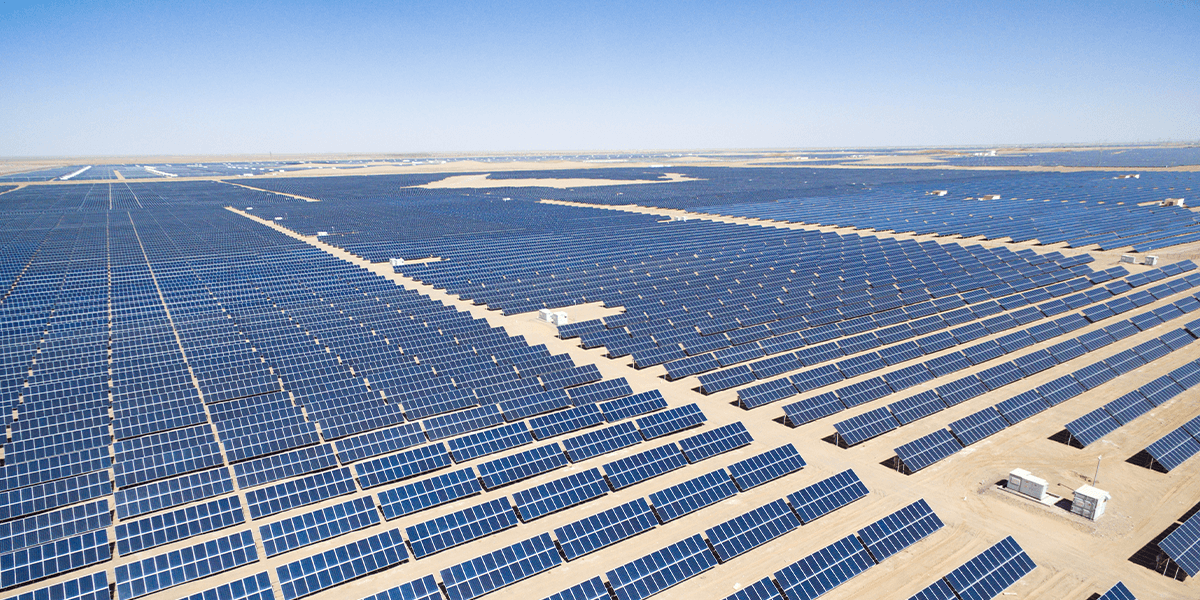
Qu’est-ce qu’une ressource énergétique distribuée ?
septembre 5, 2024
Cliquez ici pour en savoir plus sur les ressources énergétiques distribuées intégrées et sur la façon d’en choisir une qui profite à vos besoins uniques avec les entreprises TRC.

Nouvelles
TRC présente des solutions de bout en bout pour la transition énergétique à DISTRIBUTECH 2024
février 19, 2024
TRC permet de passer à des réseaux intelligents qui créent de nouvelles voies pour que le monde prospère

Aperçus
Les avantages et les défis des microréseaux
février 1, 2024
Les microréseaux peuvent vous aider à rester opérationnel dans les conditions les plus critiques. Découvrez comment nos services peuvent vous aider à tirer parti des systèmes de microréseaux.
Nouvelles
TRC présente des solutions de bout en bout pour la transition énergétique à DISTRIBUTECH 2024
février 19, 2024
TRC permet de passer à des réseaux intelligents qui créent de nouvelles voies pour que le monde prospère

Nouvelles
Combler le fossé : intersectionnalité de l’informatique et de l’ergothérapie
février 15, 2024
Comment les solutions de réseau intelligent de TRC peuvent aider les services publics à relever avec succès les défis complexes de la transition énergétique
Aperçus
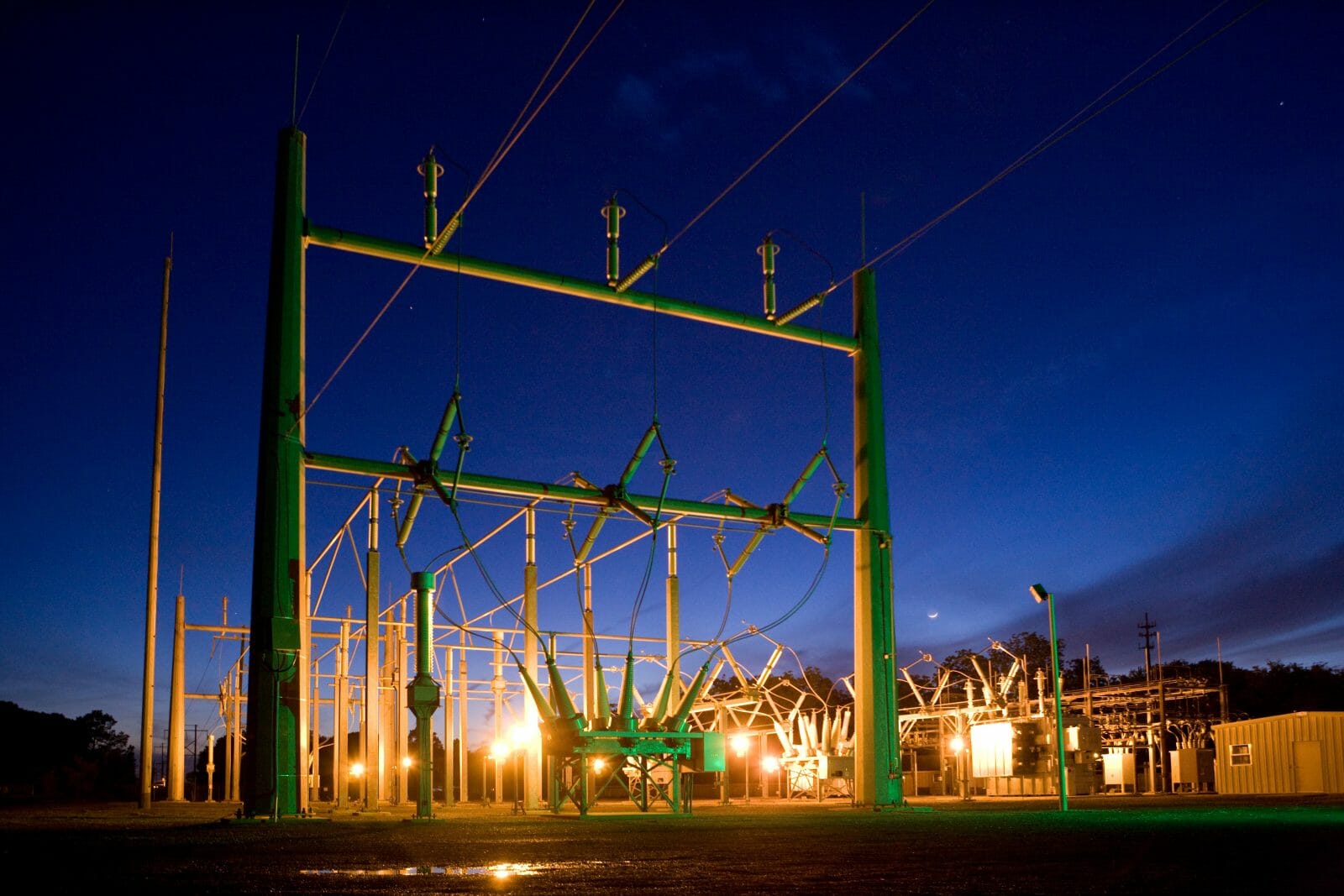
Comment les services publics peuvent se préparer à l’intégration it/ot
septembre 11, 2019
Au cours de la dernière décennie, les services publics ont adopté l’intégration informatique / OT – mais n’ont fait qu’effleurer la surface de ce qui peut être réalisé.

Mises à jour réglementaires
La NERC approuve les normes liées à l’IBR ayant une incidence sur la production d’énergie renouvelable
octobre 31, 2024
Les normes seront bientôt déposées et en attente de l’approbation finale de la FERC. La NERC a également voté en faveur de l’amélioration de la définition de la conduite pour inclure la « capacité de résister aux perturbations de tension ou de fréquence à l’intérieur des limites définies et de continuer à fonctionner comme spécifié ».
Aperçus
Qu’est-ce qu’une ressource énergétique distribuée ?
septembre 5, 2024
Cliquez ici pour en savoir plus sur les ressources énergétiques distribuées intégrées et sur la façon d’en choisir une qui profite à vos besoins uniques avec les entreprises TRC.
Aperçus
Décarbonisation 101
septembre 5, 2024
Apprenez à intégrer des pratiques de décarbonisation pour réduire votre contribution aux émissions de dioxyde de carbone. Travaillez à la durabilité avec nos solutions.

Aperçus
Currents of the Mid-Atlantic : Navigating Regional Dynamics of Offshore Wind
juin 14, 2024
Alors qu’une plus grande partie du monde se tourne vers les sources d’énergie renouvelables, les projets éoliens offshore sont apparus comme une solution prometteuse pour répondre à la demande croissante d’énergie tout en réduisant les émissions de carbone.

Mises à jour réglementaires
La NERC propose des modifications aux critères d’inscription des ressources basées sur les onduleurs (IBRs)
avril 19, 2024
La NERC a soumis à l’approbation de la FERC de nouveaux critères de conformité pour l’enregistrement des RCI dans le cadre des efforts continus visant à réduire les risques de fiabilité. Il est essentiel que les développeurs d’énergie renouvelable, les propriétaires de production et les propriétaires de réseaux de transport comprennent les implications potentielles pour les études d’interconnexion et les files d’attente d’interconnexion.

Aperçus
Se préparer à l’avenir des études sur les systèmes d’alimentation, aujourd’hui
février 9, 2024
Comment la CVR s’adapte pour fournir des résolutions uniques pour la transition énergétique

Aperçus
Comment créer un système agrivoltaïque durable
février 1, 2024
Les systèmes Agrivoltaïques peuvent vous aider à maximiser l’utilisation des terres, la production d’énergie et les cultures. Découvrez comment nous pouvons vous aider à gérer votre projet agrivoltaïque !
Aperçus
Les avantages et les défis des microréseaux
février 1, 2024
Les microréseaux peuvent vous aider à rester opérationnel dans les conditions les plus critiques. Découvrez comment nos services peuvent vous aider à tirer parti des systèmes de microréseaux.

Mises à jour réglementaires
L’ordonnance 901 de la FERC demande des normes pour combler les lacunes en matière de fiabilité de l’IBR
novembre 27, 2023
Les ressources basées sur les onduleurs jouent un rôle central lorsqu’il s’agit d’ajouter une nouvelle capacité de production d’électricité dans le système d’alimentation en vrac.
Mises à jour réglementaires
La NERC publie une série de webinaires sur les ressources basées sur les onduleurs
octobre 19, 2023
Alors que le système de distribution d’électricité continue d’évoluer rapidement en raison des initiatives de politique de décarbonisation, les ressources basées sur des onduleurs (IBRs) jouent un rôle de plus en plus important dans les ajouts de production au système d’alimentation en vrac. La NERC et d’autres organisations techniques ont pris de nombreuses mesures pour appuyer l’intégration fiable de ces ressources.

Aperçus
Ordonnance no 2222 de la FERC, DER et technologie de l’énergie
février 1, 2022
La FERC a publié le projet d’émission O. 2222 pour permettre aux ressources énergétiques distribuées (DER) de mieux participer aux côtés des ressources traditionnelles dans les marchés de gros régionaux et organisés.

Mises à jour réglementaires
La NERC cherche à améliorer les rapports sur le rendement de la fiabilité du GADS
août 26, 2021
En vertu de la loi habilitante qui a créé l’Electric Reliability Organization, la NERC est responsable d’évaluer le rendement fiable du réseau électrique. L’une des façons dont la NERC le fait est d’obtenir un système de rapports de l’industrie pour la production et le transport. Le Système de données sur la disponibilité des générateurs (GADS) est utilisé par la NERC et l’industrie depuis plus de 40 ans pour obtenir des données sur la composante de production du système électrique[1]. En raison de l’évolution rapide de la composition des ressources de production, il est essentiel que NERC dispose de données complètes sur les installations, les événements, les pannes et les performances pour la production photovoltaïque et éolienne afin d’assurer la fiabilité. À mesure que les technologies renouvelables sont de plus en plus déployées, un ensemble complet de statistiques sur le rendement des actifs de production est nécessaire pour permettre à la NERC d’évaluer la capacité du système à répondre à la charge, la performance du réseau électrique et de prévoir tout problème de fiabilité potentiel en raison de l’insuffisance des ressources. Par conséquent, la NERC propose d’apporter les améliorations suivantes au processus de collecte de données GADS pour la production d’énergie renouvelable : Ajouter les propriétaires de générateurs qui exploitent des installations solaires photovoltaïques de 20 MW ou plus au Système de données sur la disponibilité de la production (appelé « GADS-PV ») ; et Élargir les rapports GADS Wind (« GADS-W ») pour inclure le stockage d’énergie connectée et le rapport d’événements.

Aperçus
Transition vers l’abandon des hydrocarbures
mai 15, 2021
La transition du pétrole et du gaz vers les énergies renouvelables a nécessité des recherches technologiques complexes. La production d’énergie durable est devenue une priorité dans le monde entier. Bien que la transition ait été lente, les progrès technologiques sont prometteurs. Lorsqu’ils abordent une transition énergétique, les dirigeants devraient tenir compte de toutes les différentes avenues possibles et de leurs impacts potentiels. De nombreuses sources d’énergie alternatives sont disponibles, chacune avec ses propres avantages et inconvénients.
Aperçus
Comment faire passer un projet renouvelable de la planification à la construction
mai 15, 2021
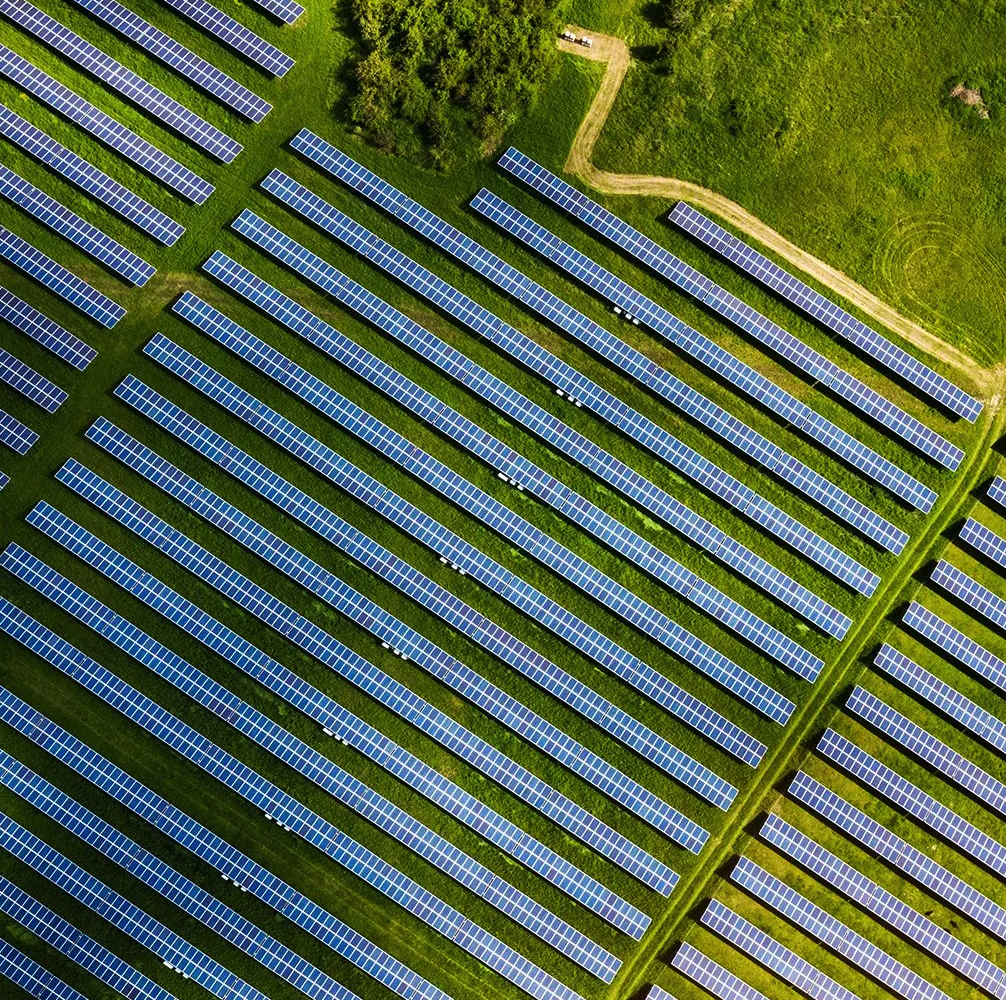
Un changement sociétal généralisé est en cours – le moment est venu de réduire la dépendance aux combustibles fossiles et de commencer des projets d’énergie renouvelable. Parmi ceux qui devraient participer, il y a les entreprises de services publics. Ils peuvent faire preuve d’une bonne conscience sociale et bénéficier d’un retour sur investissement (ROI) notable en mettant en œuvre des projets d’énergie renouvelable. Dans ce chapitre, vous en apprendrez davantage sur le processus d’investissement dans les énergies renouvelables. Utilisez ce guide de développement de projets d’énergie renouvelable pour vous aider à démarrer.

Aperçus
L’économie de la transition vers les énergies renouvelables
mai 15, 2021
L’un des plus grands obstacles à la transition vers les énergies renouvelables est la spéculation sur son impact économique. Certains craignent que le passage aux énergies renouvelables ne provoque une instabilité dans l’économie, entraînant des pertes d’emplois. De nombreuses communautés à travers les États-Unis dépendent de l’impact économique de la production, de la fabrication ou de la prise de part à l’utilisation d’hydrocarbures.

Aperçus
Impacts environnementaux de la transition vers les énergies renouvelables
mai 15, 2021
La transition vers les sources d’énergie renouvelables aura des répercussions environnementales et économiques notables. Pour comprendre les implications possibles, vous aurez besoin d’une connaissance de base de la façon dont les combustibles fossiles affectent l’environnement.