Waste Profiles vs. Waste Determinations It is a common misconception that waste profiles created by waste disposal companies suffice as “accurate determination.” While waste profiles … Read More
TDU Webinar- Bioventing Residual LNAPL Plumes TRC’s expert discusses the basics of hydrocarbon bioventing and bioventing system and well design. Two case studies are also provided … Read More
The Relationship Between Climate- Related Weather Hazards and Chemical Storage/ Emergency Preparedness Chemical Risk Management addresses the risks that harmful chemicals pose to humans and the environment. Read More
LNAPL Recovery Tips For Unconsolidated Media Light Non-Aqueous Phase Liquid (LNAPL) is a groundwater contaminant that is not soluble in water. Read More
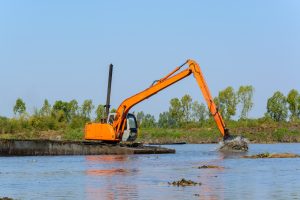
Treatment of PFAS to Allow for Beneficial Use of Impacted Dredged Sediments Approximately 200 to 300 million cubic yards of sediment are dredged each year by the US Army Corps of Engineers … Read More
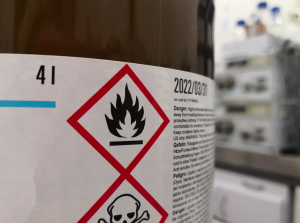
New Hazard Communication Requirements Effective July 19 The Occupational Safety and Health Administration (OSHA) has issued a final rule that updates the Hazard Communication Standard (HCS) to … Read More
EPA Releases Clean Water Act Facility Response Plan Rule This Regulatory Update is the first in a series summarizing the Rule and how it may affect your facility. Read More
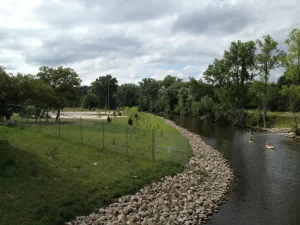
Preventing Contaminant Releases in Water Resources TRC’s patented NAPL-Trapping Cap Technology addresses contaminants at the sediment source. Read More
The Impact of Water Conservation on Energy Usage Conserving water is essential to reduce overall energy use and environmental impact. Learn how our services can help you manage … Read More