



Eight Digital Trends Reshaping Grid Modernization, Reliability and Resiliency
For decades, utilities maintained reliability despite the constraints of aging infrastructure, legacy IT platforms, traditional tools and manual methods to deliver service and meet demand. But times have quickly changed. Today utilities face multiple market challenges, from increased energy demand to evolving customer expectations, growing regulatory pressure, emerging multidirectional networks and extended sustainability goals. Indeed, in the US alone, electricity demand is forecasted to surge by 35–50% between 2024 and 2040.
This means utilities must continue to evolve into more agile, data-driven organizations that use information as an indispensable resource to improve decision making and achieve operational and business goals, as well as better serve customers.
The good news is that many of today’s emerging technologies, such as artificial intelligence (AI) and machine learning, cloud computing, mobile field solutions, advanced meter infrastructure (AMI 2.0) and digital twins, are available and ready. These more manageable, scalable and affordable solutions are making their way into the marketplace, allowing organizations to efficiently and effectively collect, analyze and share data across the enterprise.
Embracing these technologies can empower leaders and staff at every level to make better decisions faster: strategically modernizing critical assets, optimizing resource allocation, boosting reliability and resiliency and closing workforce skill gaps. Across departments, users can gain predictive insights and intuitive analysis for daily work.
But the time to act is now. The speed of digital adoption is only set to increase. Forward-looking utilities must embrace these digital trends to take advantage of what’s possible now while planning for the future.
Why Utilities Can No Longer Wait
The urgency for utilities to embrace emerging technology to drive digital transformation and modernization initiatives stems from many places.
First, system reliability and resiliency face acute challenges. As severe weather events continue to pummel communities and infrastructure, utilities must prepare and update mitigation, response and recovery plans to ensure seamless service. Legacy systems often fall short, lacking the flexibility and predictive power necessary to identify vulnerabilities and prioritize investments in aging assets. Power users, such as data centers, are pushing unprecedented demand growth, marked by massive, pulsating load curves centered on hyper-focused locations. Smart grids and mass IoT deployments add to the strain and stress on utility networks.
Utilities are also still hard-pressed by consumers to innovate and supply new services, more efficient energy delivery and proactive customer engagement. In a digital-first world that’s always on, consumers, businesses and stakeholders expect uninterrupted service even in severe weather. Customers demand the same level of service from their utility providers as they receive from their favorite consumer brands, which requires in real-time engagement across channels.
Regulatory, reliability and sustainability mandates continue their stringent trajectory. Meeting decarbonization targets, resource efficiency goals and reporting requirements call for end-to-end visibility and integrated business processes devoid of silos and disparate data.
Challenges facing utilities today include:
- The need to improve system reliability and resiliency
- Meeting new and rising customer expectations
- Unprecedented demand growth
- Complying with stringent regulatory mandates
- Facing a retiring workforce and resulting skill gaps
These factors, when combined, raise the level of risk to untenable levels. Yet, running in parallel, the opportunities and upside of rapid technology adoption have never been greater.
Eight Modern Technology Trends That Deliver Data-Driven Answers
Today’s technologies allow utilities to move beyond the limitations of legacy data management. With real-time data streams from sensors, AMI networks, mobile devices and enterprise systems converging in the cloud, organizations can now access integrated, data-rich and multidimensional views of operations. This integration allows for developing unified data architectures, eliminating silos and delivering actionable insights where and when they matter most. It replaces periodic, manual data collection with automated, continuous intelligence, transforming basic system records into valuable business assets.
The leap from legacy systems, multiple point solutions, disparate databases and manual processes to modern enterprise architectures and applications provide profound results. Modern AI and machine learning make massive data capture, aggregation and processing cost-effective, timely and achievable at scale. Combined with advanced analytics, utilities can accurately forecast equipment failures before they happen, model outages with pinpoint accuracy and predict the ramifications of shifting demand patterns. Data-driven algorithms uncover previously hidden correlations between asset health, environmental risks and customer behaviors, enabling teams to make smarter and faster data-driven decisions.
Through digital platforms, utilities automate routines, proactively schedule maintenance and dynamically allocate resources based on real-time need. Integrated dashboards and mobile field solutions keep workers connected and informed, whether they’re in the control room or at the edge of the grid. Decisions occur quickly, as needed, using accurate, up-to-date and complete information.
There are several specific technologies that utilities can implement today to transform their operations.
AI and Machine Learning
AI and machine learning are revolutionizing risk management and operations. By analyzing enormous datasets from equipment sensors, satellites, drones, weather feeds and historical records, these tools identify patterns, forecast demand and detect faults or fraud in real-time. AI enables utilities to reduce costly outages, proactively address vulnerabilities and work with precision at scale.
Cloud
Cloud platforms drive enterprise agility by centralizing data, breaking down silos and offering scalable computing resources. Cloud-native applications accelerate deployment, minimize infrastructure costs and facilitate collaboration across organizational boundaries. With the cloud, decision-makers can access vital information from anywhere and direct teams to take required actions with unity and speed.
Digital Twins
Digital twins offer dynamic, digital representations of physical utility assets and networks. By simulating real-world scenarios, such as network stress, asset deterioration and disaster response, utilities predict the impact of operational decisions without risking live assets. This capability enhances planning, supports risk reduction and minimizes the costs of trial-and-error in the physical world.
3D Facility Mapping
3D facility mapping technologies empower utilities to visualize their infrastructure with unprecedented detail. These high-fidelity, real-world models aid in planning, asset inspection, right-of-way management and disaster recovery. Instead of relying on outdated blueprints, teams use reliable, interactive visuals to identify issues, design interventions and communicate with stakeholders.
Modern Geospatial
Modern geospatial software leverages superior models to analyze and visualize network-wide connections for electric, gas, or water systems. It enhances operational visibility and resource tracing to support network impact analysis for outages, faults, or emergency incidents. Users perform detailed mapping and editing of all network features, supporting both single-user and enterprise deployments. Both field and office teams can access and analyze network data from mobile, web, or desktop interfaces. This means greater visibility of assets, improved outage management and more intelligent response to network changes.
AMI 2.0, Edge Computing and Distributed Intelligence
Advanced Meter Infrastructure (AMI) 2.0 and edge computing deploy distributed sensors, meters and smart devices that produce granular, near real-time data at the grid edge. Instead of waiting for aggregated reports, utilities can identify outages faster, pinpoint voltage fluctuations and act immediately on new trends. Distributed intelligence facilitates dynamic load balancing and faster incident response.
Low Voltage Monitoring
With pervasive low-voltage monitoring, utilities gain precise, real-time insights into their distribution networks. This capability improves detection of power quality issues, enables proactive maintenance and safeguards against outages, which is essential in a world where every customer expects uninterruptible service.
Field Mobility
Field mobility solutions, such as TRC’s Lemur mobile asset management application, empower workers to take advantage of data and tools that extend from the back office to the field. With tablets and smartphones connected to cloud-based platforms, field crews access critical asset and work order management data wherever they are. They can also log maintenance in real time and perform duties in both online and offline environments. This increased efficiency optimizes labor, accelerates response and dramatically improves safety and communication.
Deploying innovative technologies produces measurable benefits for utilities, including:
- Enhanced grid reliability and resiliency support uninterrupted service, even in the face of disasters or shifting demands.
- Smarter, data-driven customer service meets and exceeds rising expectations for speed, transparency and reliability.
- Increased efficiency in operations through automation and improved field mobility significantly lowers costs and maximizes asset value.
- Robust compliance and reporting streamlines adherence to regulatory, sustainability and reliability mandates.
- Launch new products, services, and business models that drive value and foster long-term consumer loyalty, ultimately securing a competitive advantage.
Improving Every Aspect of Operations
From AI-driven analytics to cloud-based platforms and field mobility, modernization and innovation deliver actionable insights, faster response and greater resilience across the entire operation. There are many use cases that illustrate how high-tech tools and analysis deliver tangible results where utilities need them most.
Wildfire Mitigation and Response
Advanced analytics, modern geospatial software and satellite imaging now enable utilities to detect wildfire hazards and risks in near real-time. They support wildfire modeling and accurately identify fire-prone areas to prioritize mitigation efforts and allow more coordinated response—all using data-rich maps for shared situational awareness. Map-based common operating pictures and mobile GIS streamline setting up staging areas, crew dispatch, tracking assets and communicating with customers, emergency responders, stakeholders and the public. This integrated, visualized approach accelerates decision-making and protects critical infrastructure, ensuring safer, more resilient service.
Data Centers
Modern utilities leverage digital tools to meet the explosive growth in energy demand from the exponential increase in data centers. Advanced prediction platforms analyze high-volume usage patterns, aggregate real-time data and enable fast, efficient infrastructure planning. Intelligent grid management and automated demand response allow utilities to allocate capacity proactively, balance loads and guarantee uptime. At the same time, digital twins help model the added strain on distribution networks, guiding strategic investment to serve data center customers reliably.
Demand Forecasting and Load Management
AI-powered forecasting solutions provide clear insight into consumption trends and peak demand events, using historical and real-time data. Cloud-based analytics allow utilities to balance load profiles continuously and schedule generation assets efficiently. Automation ensures rapid adjustments to distribution during unexpected surges or lulls, reducing blackouts and curbing costs. Enhanced demand accuracy supports resource planning, lowering regulatory and financial risks linked to poor forecasting.
DER Integration and Management
Digital platforms unify distributed energy resources (DER) data, such as solar, wind, batteries and electric vehicles, in one centralized dashboard. Real-time controls and edge analytics enable better visibility and bidirectional energy flows, enhancing both supply and demand management. These systems automate grid balancing, ensure seamless integration of renewables and detect abnormalities or bottlenecks early. This interconnected approach supports regulatory mandates for clean energy and offers customers more choices and reliability.
Predictive Maintenance
Utilities now deploy sensor networks, IoT and machine learning to anticipate failures before they occur. Data from sensors and field equipment is continuously captured and analyzed, allowing teams to prioritize maintenance and schedule repairs, thus curbing the potential for outages. Predictive analytics reduces unplanned downtime and extends the life of assets. Visualizations from digital twins enable the evaluation of long-term maintenance strategies, thereby improving operational efficiency and safety for both crews and communities.
Customer Engagement and Energy Management
Mobile customer apps, data dashboards and AI-powered tools empower customers to track usage, receive alerts and manage billing online. Analytics personalize recommendations for energy conservation or cost savings, supporting utility-driven demand response programs. Automated communications streamline outage notifications and digital self-service, boosting satisfaction and trust. Utilities benefit from higher program participation and deeper relationships with customers.
Related Services
- Advanced Metering Infrastructure (AMI)
- Distributed Energy Resources Technology Consulting
- Integrated Energy Planning and Advisory Services
- Intelligent Grid Solutions
- IT/OT Advisory Consulting Services
- IT/OT Solutions
- Modern Cloud Solutions
- Modern Geospatial Solutions
- Operational Technologies
- Transformational Analytics
TRC Empowers Utilities to Realize Digital Excellence
As an industry leader in digital utility solutions, TRC partners with clients around the world to digitally transform and modernize operations. Our approach is end-to-end. From strategic planning to solution design and deployment, we serve as an extension of your team and are deeply invested in your outcomes.
TRC’s strengths are rooted in our culture of innovation, extensive industry experience and hands-on leadership. We help utilities realize the business value of emerging tech, whether it’s from optimizing grid performance, modernizing IT environments or delivering smarter, safer and more reliable service.
Our teams are fluent in leading-edge platforms including AI and machine learning, cloud, digital twins, operational technologies (EMS, ADMS, DERMS, etc.), grid edge advances (AMI 2.0, VPPs, etc), geospatial (GIS, network model management, asset management, advanced grid planning, etc.), field mobility, wildfire analysis and more. In addition, our proven practices and methodologies support scalable, customer-focused outcomes that streamline workflows and accelerate ROI.
TRC’s practitioners continuously communicate and fine-tune implementations as they occur, ensuring initiatives deliver as promised, on time and on budget. We invest in your long-term success by equipping you with solutions that adapt to changing markets, regulatory demands and customer needs. When you work with TRC, you gain a trusted partner featuring utility veterans, product experts and solution evangelists who have a vast wealth of industry understanding, technical skill and forward-looking vision.
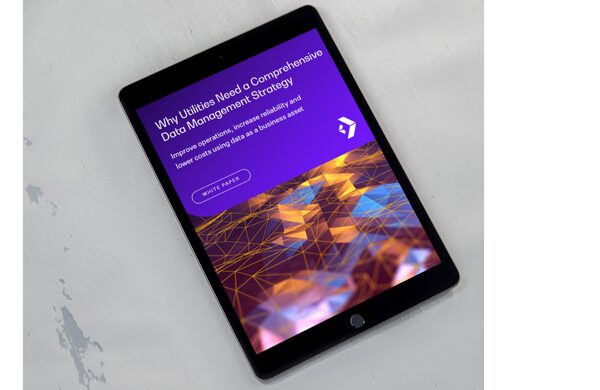
Download the White Paper
Learn how utilities are turning data complexity into a competitive edge—and how your organization can too.

Embrace the Future with TRC
Utilities cannot afford to wait to transform digital operations. Increased demand, aging infrastructure, customer expectations, regulatory requirements and other factors are forcing utilities to dramatically change how they continue to provide affordable, quality service. Embracing emerging technologies and innovative use cases provides a platform for scalable growth. Utilities can leverage applications, tools and data to carry out tasks with superior speed and accuracy. Workflows get streamlined, increasing the overall safety, resiliency and reliability of service while lowering costs and enhancing customer satisfaction. To learn more about how TRC can help you fast-track digital transformation and achieve superior business outcomes, visit and connect with us.