




Rechercher par

The EPA’s Risk Management Program for Railroads and the “Incident to Transportation” Exemption
février 27, 2018A recent court ruling serves as an important reminder that railroads shouldn't be parking tankers containing hazardous substances for more than just a few days.

New Approach to Migratory Bird Treaty Act Takes Flight
janvier 16, 2018TRC examines the Department of Interior's recent announcement that it will no longer prosecute incidental impacts to birds under the Migratory Bird Treaty Act.
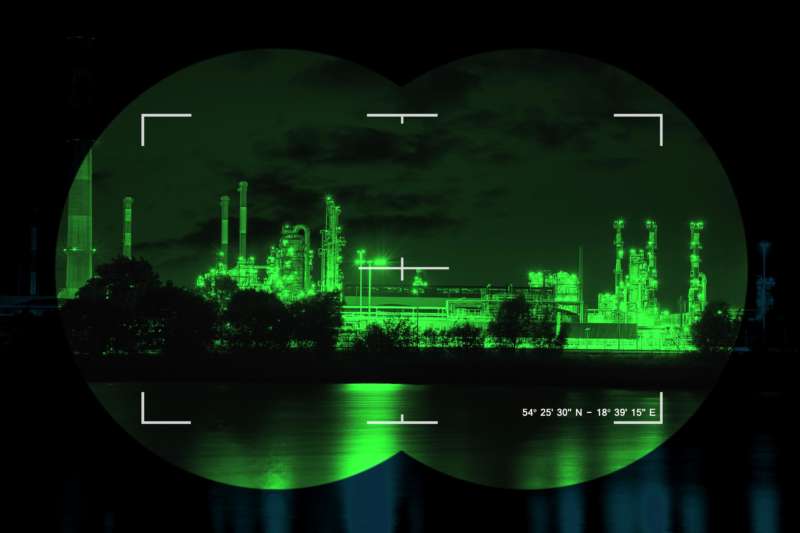
Hardening Cyber Defenses at Chemical Facilities a Key Part of Federal CFATS Regulations
octobre 24, 2017Federal CFATS regulations cover more than just the handling, transport and storage of dangerous chemicals. They also deal with tools and methods terrorists could use to acquire the deadly agents - such as a cyber attack.
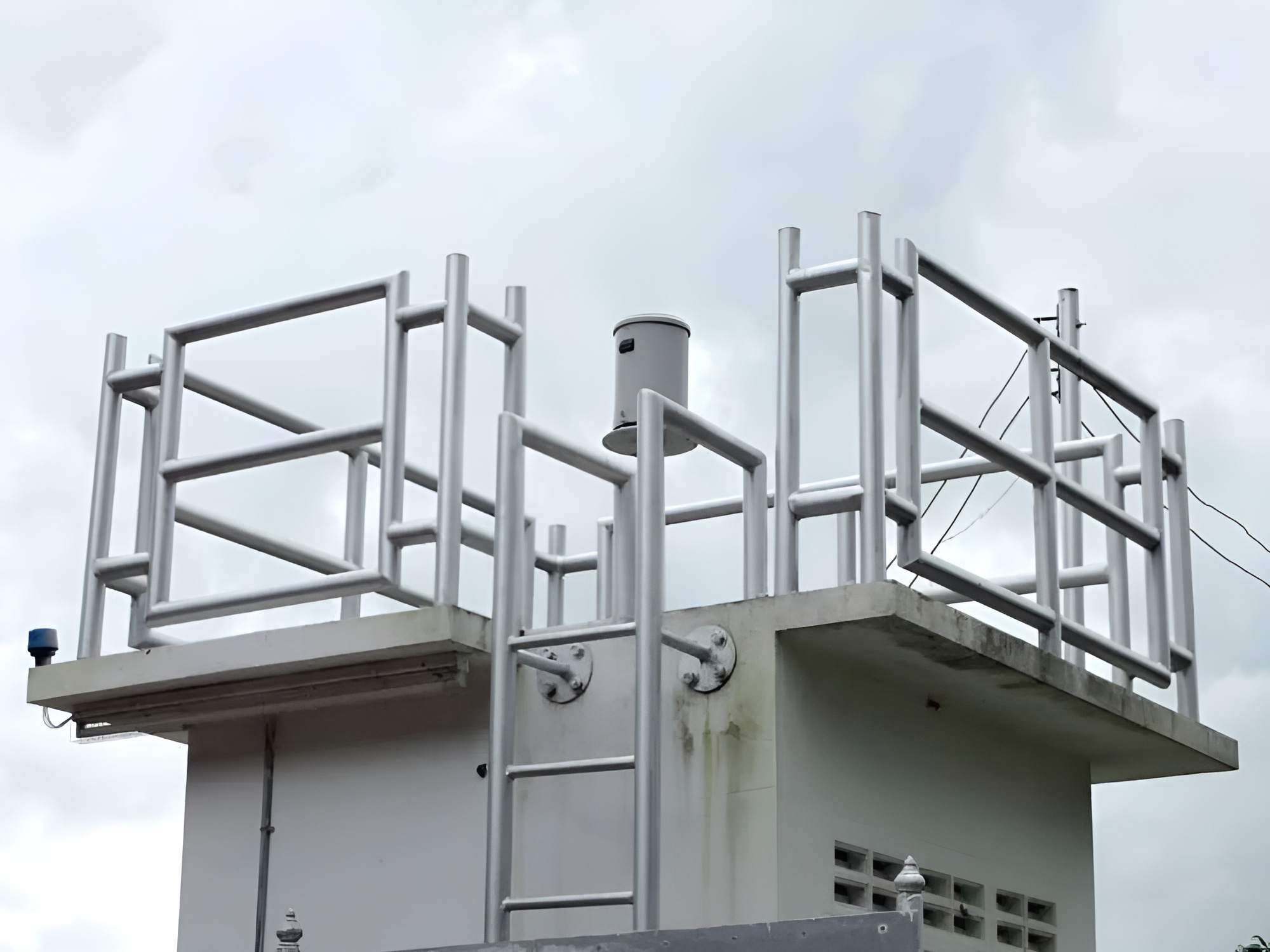
5 Tips to Help Restore Ambient Monitoring Operations Following a Natural Disaster
octobre 10, 2017Many facilities that need to monitor air quality have been hard hit by the recent spate of hurricanes. Here are tips to stay compliant with state and federal regulations.
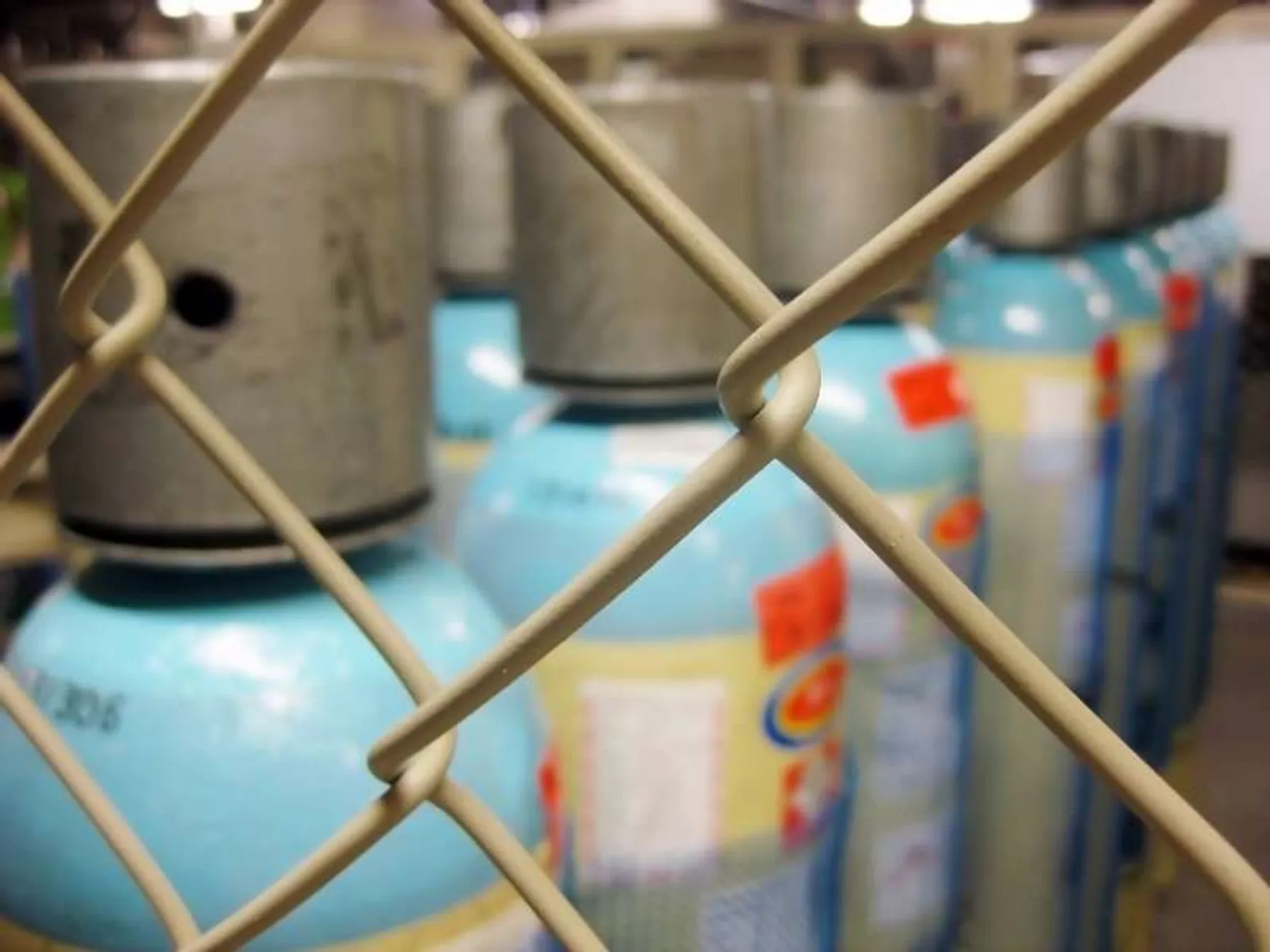
Security Stew: How to Follow the Federal Regulatory Recipe for Safe Chemical Storage
septembre 19, 2017Three different federal agencies regulate the storage of chemicals at facilities in the United States – and each for different reasons. Learn about the various rules from the alphabet soup of agencies (DHS, EPA and OSHA) involved and how to keep your business compliant.
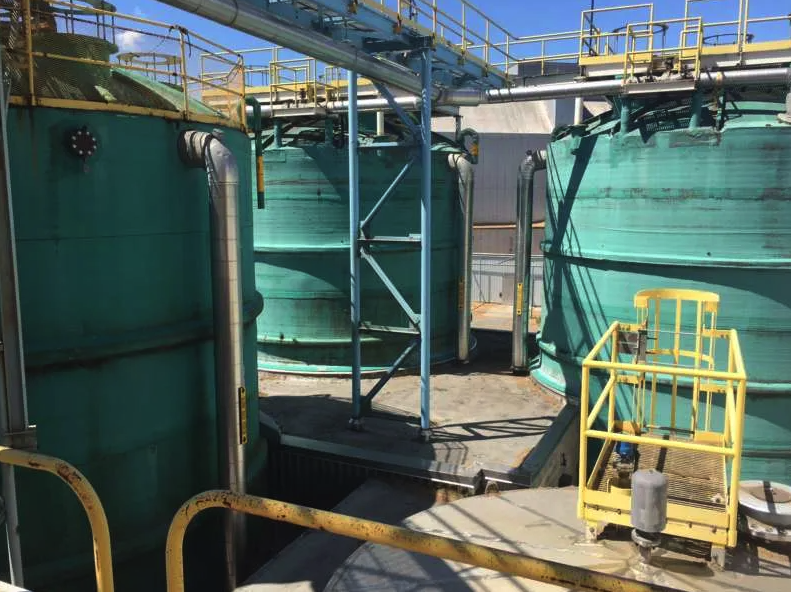
New Issues Emerge Regarding Chemical Security
septembre 7, 2017Chemical Security is a developing subject area that gained traction with the passage of the Homeland Security Appropriations Act of 2007, which authorized the Department of Homeland Security (DHS) to regulate the security of chemicals deemed to be of interest to terrorists. The Chemical Facility Anti-Terrorism Standards (CFATS) were developed as a result, and CFATS security requirements now apply to over 300 chemicals handled by a wide range of facilities

Integrated Hydrologic Modeling: Better Information, Better Decisions
mai 23, 2017Ever wonder how your groundwater modeling consultant estimated recharge? Or why an assumed fraction of average annual precipitation was uniformly applied everywhere? What happens with runoff in ephemeral drainages? Why is the recharge estimate so important? [caption id="attachment_14964" align="alignright" width="1024"] Markstrom, S.L., Niswonger, R.G., Regan, R.S., Prudic, D.E., and Barlow, P.M., 2008, GSFLOW – Coupled Ground-water and Surface-water FLOW model based on the integration of the Precipitation-Runoff Modeling System (PRMS) and the Modular Ground-Water Flow Model (MODFLOW-2005): U.S. Geological Survey Techniques and Methods 6-D1, 240 p.[/caption] Surface water and groundwater are intimately interconnected. Water is exchanged in both directions. Recharge is strongly influenced by shallow depths to groundwater to the extent that the infiltration may be rejected. Evapotranspiration may offset the contribution of infiltrated water. Groundwater discharge to streams is a strong function of the head in the aquifer. Likewise, stream loss to groundwater is influenced by the depth of groundwater below the stream bottom and the depth of water in the stream. The water balance associated with these processes is transient and perturbed by each precipitation or snow melt event. Standalone groundwater or surface water models cannot fully simulate and illuminate the exchange between surface water and groundwater. Simulating the full hydrologic cycle and comparing model streamflows to observed streamflows is key to obtaining good estimates of groundwater recharge and constraining the groundwater model properties of hydraulic conductivity and storage.
TRC and partners win $1 million grant for engineering innovative New York microgrid
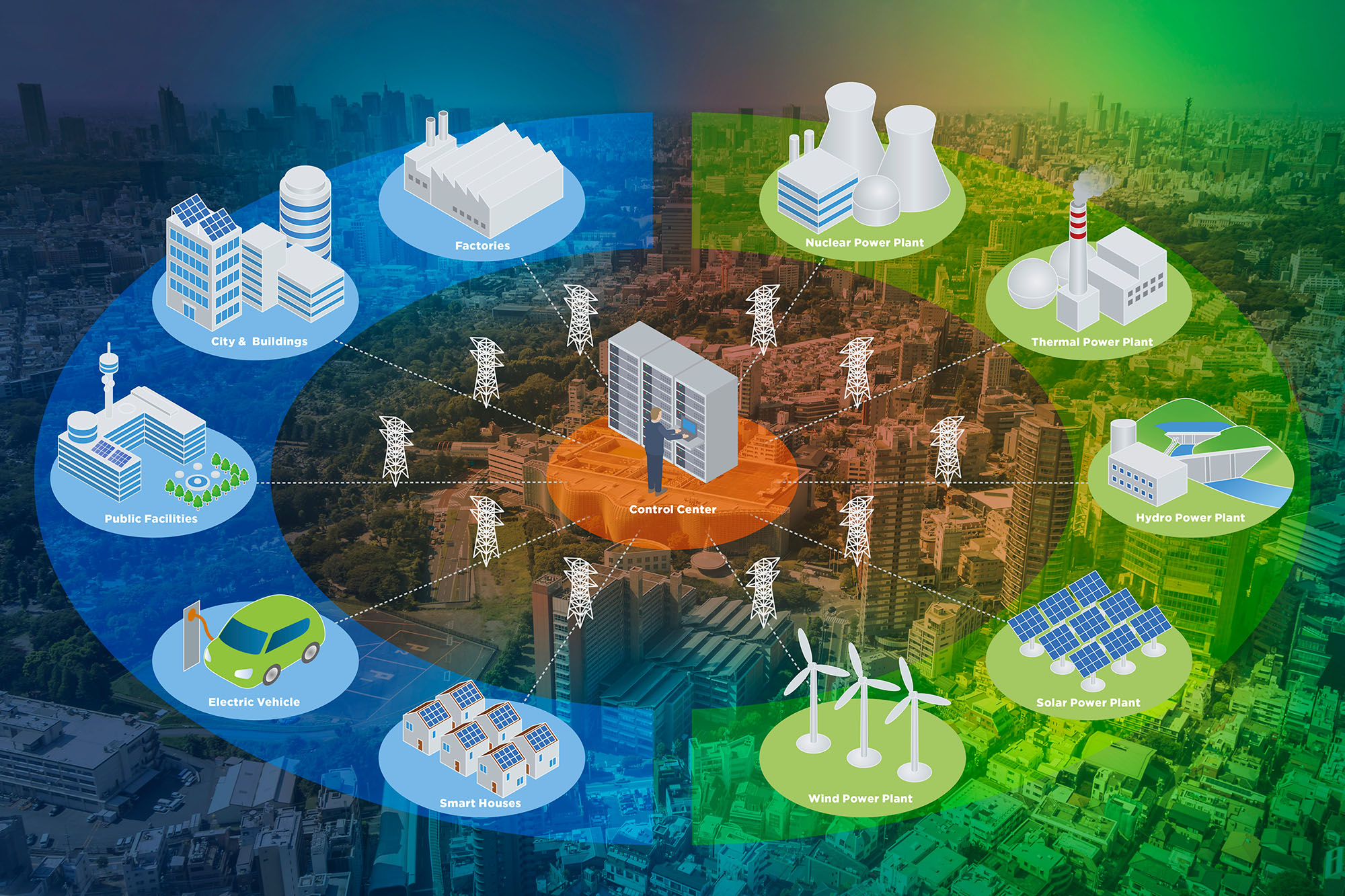
avril 20, 2017TRC is proud to support Huntington, NY bolster power reliability and climate-change resiliency with a sophisticated new “community microgrid’’ combining solar energy, a fuel cell, biogas and traditional natural gas to deliver electricity and heat to local customers and institutions.
Seeking a new FERC license for your hydroelectric project? Here are the 2 key questions to ask.
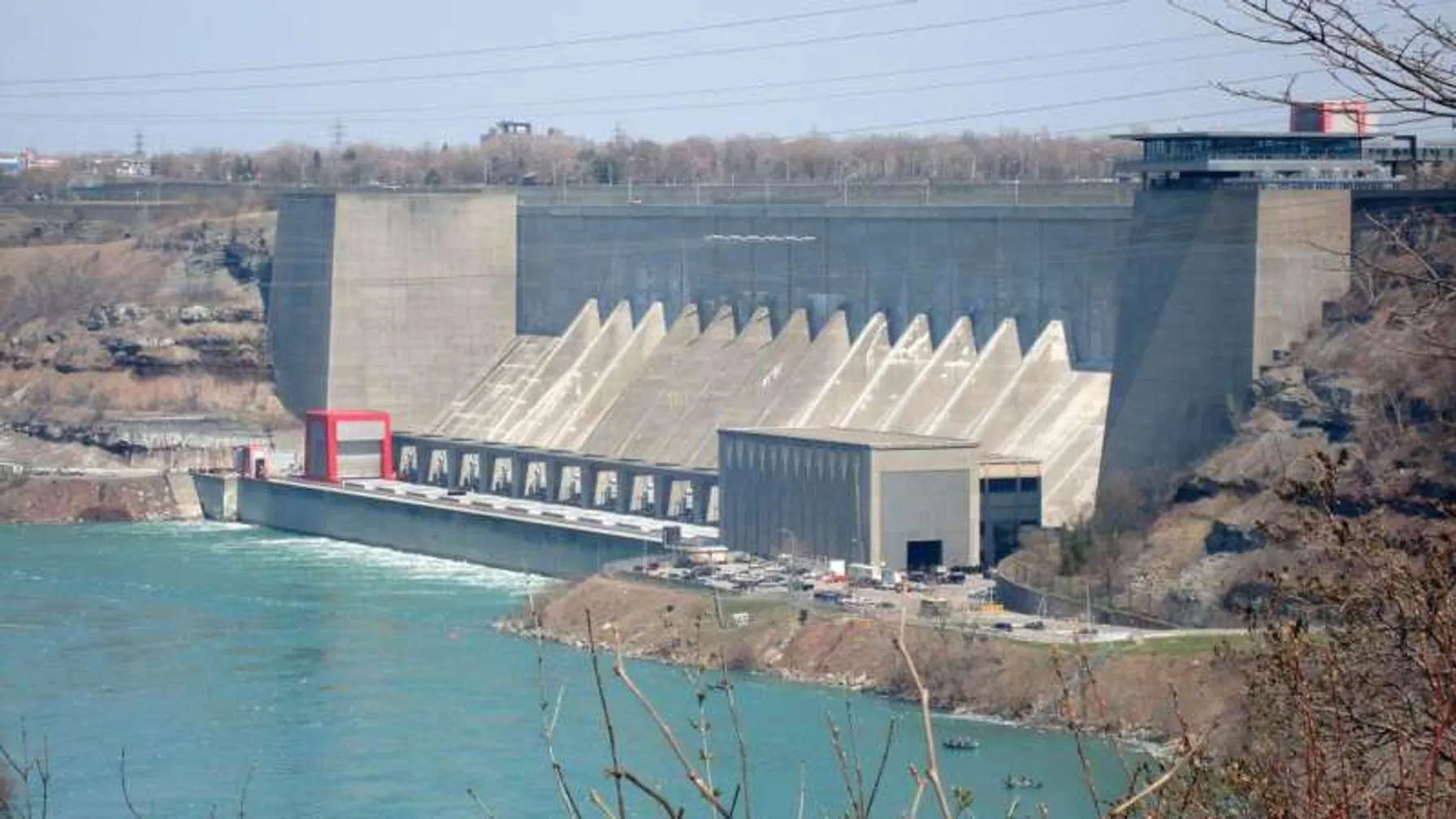
mars 22, 2017Across the U.S., Department of Energy data show that some 2,200 hydroelectric projects produce more than 6 percent of all the electricity we consume, which amounts to more than one-third of all power generated in 2015 from renewable sources. Operations of many existing hydroelectric projects are governed by 30- to 50-year licenses issued by the…
0 résultats