




Listen to Our Latest Podcast
The skilled trades are at a crossroads: demand is rising, but the workforce isn’t keeping up. A wave of retirements is converging with a surge in energy efficiency projects and an unprecedented push to electrify buildings and vehicles, leaving utilities and energy program implementers scrambling to fill a widening talent gap as the clean energy industry grows and evolves.
Compounding the workforce shortage, decades-old perceptions about “who belongs” on the jobsite still shape access to training and advancement, creating barriers to entry for careers that pay well and power the clean energy transition.
Equitable workforce development is key to overcoming these barriers. Mentorship, training, and equity-driven recruitment can reshape the trades into an accessible career path for candidates from all backgrounds. Our latest episode of TRC Energy Talks explores how researchers, contractors and program leaders are re-imagining recruitment and funding to ensure the next generation of skilled tradespeople is as diverse and ready as the communities they will serve.
What Our Panelists Are Saying

Cameron Starr
Cameron, Customer Experience Operations Lead, Energy Trust of Oregon, manages contractor development and lives those numbers every day. When local crews aren’t available, implementation costs explode, stretching program budgets and slowing service to rural customers. He firmly believes that “Your budget speaks more than your words” when it comes to showing real commitment to workforce equity.

Josh Williams
Josh, Founder and President of BW Research and the data-guru of our roundtable has spent two decades mapping the U.S. labor force. He sees flashing warning lights: demand for electricians and HVAC techs is healthy, but “the real challenge is in the supply,” with many veterans in their fifties and sixties eyeing retirement.
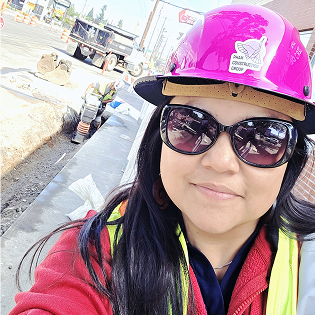
Tina Pham
Tina, Principal Owner of Pham Construction Group and Iconic Tile, brings the practitioner’s lens of a bilingual auditor and retrofit contractor. Much of her work is done in immigrant and refugee households and warns that the workforce gap is compounded by language, for both the workers and the communities they serve: “If we aren’t providing our services in a language that folks can understand, then we’re just creating more barriers.”
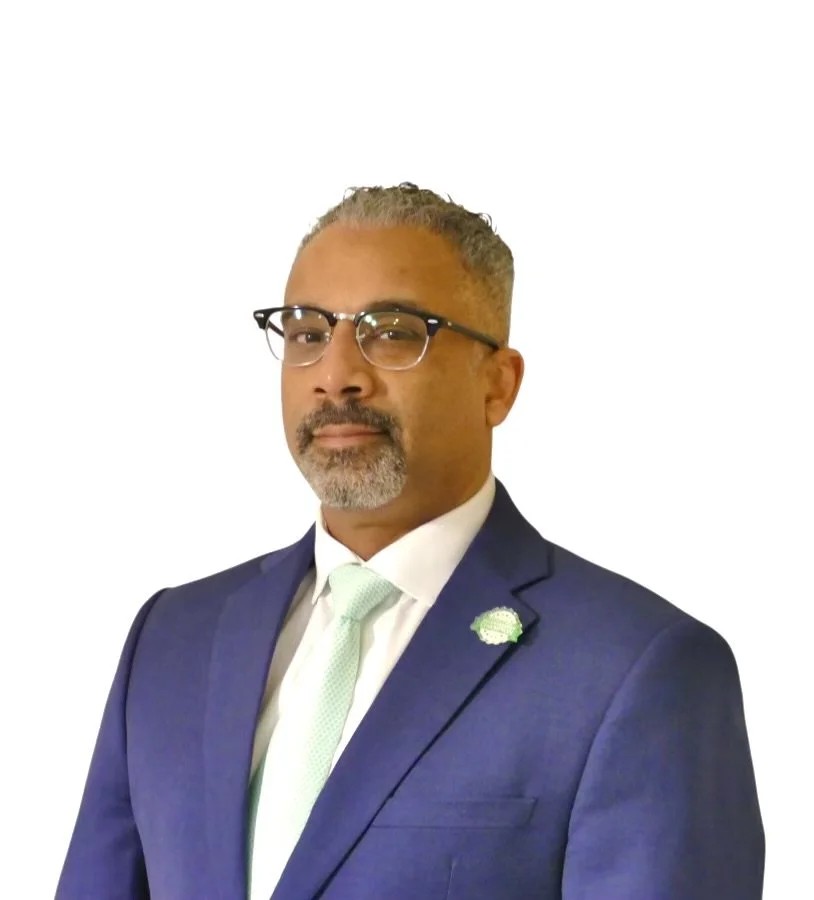
James Metoyer
James, Founder and Executive Director of EnerCity Collaborative, puts community at the center of every retrofit. “Simply put, representation matters,” he says; customers trust crews who look like them and apprentices stay when mentors share their lived experience.

Nicole Wroblewski
Nicole, Director at TRC, specializes in developing and delivering equitable, just, and effective engagement strategies for advanced energy services. Nicole focuses on empowering customers who have historically been left out of the conversation. She believes that « the workforce gap gives us an opportunity to make trade jobs more widely appealing to a new generation of job seekers. »
Clean Energy Workforce Development: Six Takeaways from the Podcast Discussion
- A retirement wave is cresting. Decades of skill, the kind that takes “10 to 25 years to develop” will leave the field within a few short years.
- These energy jobs are future-proof and purpose-filled. Technology may automate office work, but hands-on trades will always require a human touch. These careers not only offer solid pay but are deeply fulfilling as well.
- The money must match the mission. Long-term, flexible funding is the only way to build real pipelines and track progress in rural and BIPOC communities.
- Language access isn’t optional. Our speakers have paused projects because interpreters weren’t funded; without shared words, there’s no shared trust, or energy savings.
- Mentorship mitigates the “silver tsunami.” More programs are needed that pair rookies with seasoned pros so that knowledge walks into classrooms instead of out the door, turning looming retirements into on-the-job learning opportunities.
- This work changes lives, including the workers. Kilowatt-hours saved isn’t the only metric that matters; it’s the feeling that every successful retrofit improves lives in the communities they serve.
