


Today’s electric grid is not in a traditional upgrade cycle. It is experiencing a structural transformation.
Generation portfolios are shifting. Load is concentrating and accelerating. Digital infrastructure is becoming operationally critical. Customer expectations are redefining engagement. Utilities invested nearly $208 billion in modernization in 2025, with more than $1.1 trillion projected through 2029. Yet many leadership teams acknowledge a widening gap between capital deployment and measurable system performance.
This is an inflection point.
Reliability, affordability and resilience can no longer be addressed through siloed programs. They must be orchestrated across planning, markets, digital platforms, field execution and customer strategy. The utilities that lead the next decade will not simply build more infrastructure. They will embrace integrated, system-level transformation.
Below are ten interconnected trends reshaping the grid in 2026 and beyond.

1. The New Load Curve is Built on Electrification, AI and Hyperscale Demand
Flat demand assumptions are obsolete. AI campuses requiring hundreds of megawatts, transportation electrification and industrial reshoring are bending the load curve sharply upward. Demand is concentrated, location-specific and moving on technology timelines measured in months.
Meeting this growth requires more than incremental feeder upgrades. It requires integrated resource and grid planning, probabilistic scenario modeling and flexible load strategy aligned to when and where demand materializes.

2. Probabilistic Planning Replaces Static Forecasting
Single base-case forecasts cannot manage today’s uncertainty. Leading utilities are shifting toward probabilistic, 8760-hour modeling that integrates weather variability, DER performance, market conditions and equipment behavior.
This approach strengthens regulatory defensibility, aligns capital to real system risk and enables evaluation of non-wires alternatives alongside traditional infrastructure. Planning is no longer about defending a forecast. It is about navigating uncertainty with confidence.

3. All-Hazards Resilience Becomes Core Strategy
Wildfire risk, extreme weather and cyber threats are reshaping capital priorities, making broad, undifferentiated hardening strategies no longer sufficient.
Modern resilience integrates undergrounding lifecycle analysis, advanced protection schemes, digital situational awareness and cybersecurity governance into a unified strategy. Physical and digital infrastructure must now be designed together to deliver sustained reliability under stress.

4. Affordability Pressures Drive Portfolio Optimization
The sector faces a defining tension to expand faster while keeping bills manageable. Supply chain volatility and workforce constraints intensify this challenge.
Regulators are increasingly prioritizing optimized portfolios over isolated projects. Transparent lifecycle cost modeling, flexible load valuation and probabilistic risk assessment are becoming essential to achieving regulatory alignment and public trust.

5. Control Systems and AMI 2.0 Form the Grid’s Operational Core
ADMS, DERMS, SCADA and EMS are converging into integrated control environments that enable near real-time system orchestration. Investments in control systems are increasingly justified by avoided outages, improved hosting capacity and optimized asset utilization.
AMI 2.0 is emerging as the intelligence backbone of the grid, enabling interval analytics, DER visibility, outage response and customer transparency. Operational excellence now depends on integrated digital platforms that connect field execution with enterprise strategy.

6. Information Infrastructure Becomes a Strategic Asset
Behind every modernization effort lies a foundational requirement: trusted data.
GIS, asset management, AMI and work systems must operate as an integrated ecosystem. Without governed data standards, validated topology and lifecycle discipline, digital transformation stalls.
Forward-thinking utilities are treating information infrastructure with the same rigor as physical infrastructure, recognizing that data quality directly impacts reliability, safety and investment optimization.
7. AI’s Dual Role as a Demand Driver and Operational Multiplier
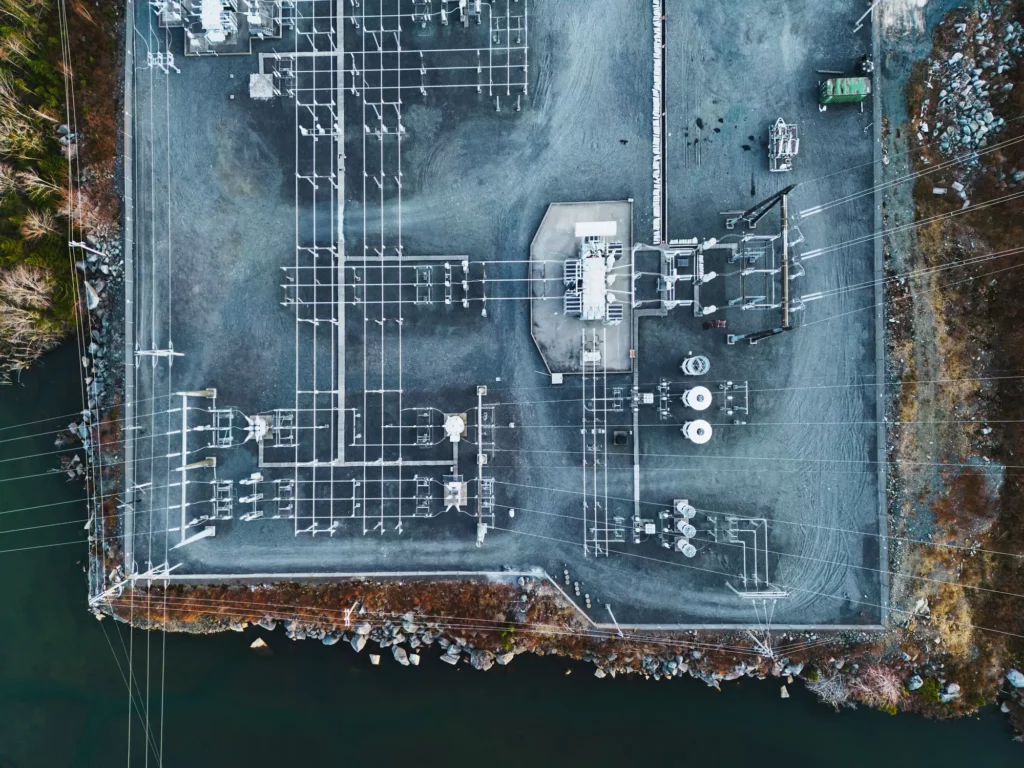
AI is both a catalyst for load growth and a force multiplier for operations. Hyperscale computing drives unprecedented capacity needs. At the same time, AI-enabled asset inspection, anomaly detection and predictive analytics are improving workforce productivity and asset performance.
The opportunity is significant. The discipline is essential. AI must move beyond experimentation to governed operational integration aligned with engineering standards and regulatory expectations.

8. Workforce Strategy and Digital Enablement Converge
A historic buildout is colliding with an aging workforce and constrained talent pipeline. Workforce strategy can no longer be separated from digital strategy.
Mobile GIS, automation, AI-assisted inspections and cloud-enabled collaboration platforms act as force multipliers, enabling experienced teams to execute more effectively while preserving institutional knowledge. Strategic partnerships and integrated delivery models further extend internal capabilities.

9. Asset Intelligence and Flexible Markets Become Competitive Advantages
Advanced sensors, UAV imagery and analytics are shifting asset management from reactive to predictive. Utilities can now forecast condition, optimize replacement timing and manage lifecycle value more precisely.
Simultaneously, flexible load programs, DER portfolios and market optimization strategies are redefining utilities as active portfolio managers. Flexible resources are no longer peripheral. They are strategic levers for reliability and affordability.

10. Everything as a Service Redefines Operating Models
Modernization portfolios are expanding faster than internal staffing capacity. Cloud-enabled and managed service ecosystems are emerging as scalable operating models.
From analytics and AMI to cybersecurity and elements of grid control support, utilities are embracing service-based delivery structures that allow internal teams to focus on strategy, regulatory engagement and system orchestration.
From Modernization to System-Level Transformation
These trends are not isolated initiatives. They are interconnected threads shaping a new operating reality.
Utilities that treat them as stand-alone projects will struggle to keep pace. Those that weave probabilistic planning, lifecycle modeling, digital integration, flexible resource optimization and workforce enablement into a coordinated strategy will lead the next era of the grid.
TRC Can Help
Navigating this transition requires more than advisory insight. It demands strategy-through-execution delivery and integrated expertise from tested practitioners.
TRC supports utilities across the full lifecycle of grid transformation, including:
- Integrated Resource and Grid Planning that aligns probabilistic modeling, DER integration and flexible load strategy
- Lifecycle cost modeling that strengthens regulatory defensibility and capital optimization
- Resilience planning that integrates wildfire mitigation, storm hardening and cybersecurity readiness
- Digital enablement including ADMS, DERMS, AMI 2.0 and enterprise GIS integration
Asset intelligence and analytics that convert data into operational insight - Field execution and construction management that translate plans into measurable outcomes
From insight to implementation, our integrated teams connect planning, engineering, digital platforms and field services into a seamless delivery model.
With the right strategy and execution partner, utilities can embrace the shift, strengthen reliability and build forward-thinking infrastructure that delivers measurable value for decades to come.